


- [An Essay from My Heart] The Wisdom of Distinguishing Between the Public and the Private1032026.02.24
- [내 마음의 隨筆] KOREA AT WAR를 읽고1322026.02.26
- [An Essay from My Heart] After Reading Korea at War1292026.02.26
- [An Essay from My Heart] The Path Learned in the Spring Mist1012026.02.27
- [내 마음의 隨筆] <봄안개 속에서 배우는 길>1652026.02.27
[An Essay from My Heart] After Reading Korea at War
2026.02.26[An Essay from My Heart]
After Reading Korea at War
History sometimes rests quietly beside us. It appears to belong to a distant past, yet it continues to live on as a force that shapes the present. The Korean War is such an event. We remember it as a tragedy of the 1950s, yet we encounter its traces daily—in the tensions of East Asia, in the shifting dynamics of international politics, and in the enduring division of the Korean Peninsula. In this sense, a historical work is more than a record of the past; it is a mirror reflecting the coordinates of our present. Korea at War: Conflicts That Shaped the World fulfills precisely that role.
The author, Michael J. Seth, is a senior historian who has long studied Korean and East Asian history at James Madison University in Virginia. He is widely recognized as one of the leading scholars who have systematically introduced Korean history to American academia. I have had the privilege of meeting him on several occasions. His scholarship extends beyond political and diplomatic narratives to encompass social and cultural contexts, offering a multidimensional perspective on modern Korean history. In particular, he has made a distinctive contribution by interpreting the Korean War not merely as a civil conflict or ideological confrontation confined to the peninsula, but as an event embedded within the structure of the international order—thereby illuminating its global historical significance.
In Korea at War, Seth shifts attention away from detailed battlefield descriptions or the tactical decisions of generals, choosing instead to raise a more fundamental question: How did this war shape the world we live in today? While many studies of the Korean War concentrate on shifting front lines or diplomatic documentation, this book focuses on how the world was reconfigured after the guns fell silent. It explains why a war on the Korean Peninsula strengthened American military strategy, accelerated Japan’s economic recovery, and redefined China’s international standing. Seth positions the Korean War not as a regional conflict alone, but as a decisive turning point that consolidated the Cold War order.
One of the book’s most striking qualities is its balance. It calmly compares the calculations and fears of North and South Korea, as well as those of the United States and China, without privileging any single ideological or national perspective. By seeking to understand leaders’ decisions within the broader structure of international politics rather than judging them through moral condemnation, Seth guides readers toward insight rather than emotion. He convincingly demonstrates that the Korean War was not a simple clash between good and evil, but a complex confrontation shaped within the vast framework of the Cold War.
At the same time, the book maintains scholarly depth while remaining accessible to general readers. Seth avoids overwhelming the audience with excessive military terminology or dense diplomatic detail. Instead, he emphasizes causal relationships and structural consequences. As a result, readers need not master every tactical detail to understand why this war proved decisive in shaping the subsequent global order.
Seth’s distinctive scholarly achievement lies in his interpretation of the Korean War as a “laboratory of the Cold War.” It was the first large-scale direct military confrontation between the United States and China, foreshadowing patterns that would define global politics for decades. The expansion of military establishments, the strengthening of alliance systems, and the institutionalization of division were not accidental byproducts, but structural outcomes. The war halted with an armistice, yet the international order it produced continues to operate.
As Winston Churchill once observed,
“The farther backward you can look, the farther forward you are likely to see.”
Churchill’s words are not merely an encouragement to study the past extensively. Rather, they suggest that the capacity to understand history deeply is the very foundation for perceiving the future. When we move beyond memorizing isolated dates and events and instead discern the structures, decisions, and consequences embedded within them, we begin to understand the direction of our present world.
The Korean War is no exception. If we remember it only as a tragedy of the 1950s, we cannot fully explain today’s U.S.–China rivalry, the security architecture of East Asia, or the enduring division of the Korean Peninsula. But if we examine how that war consolidated the Cold War order and shaped patterns of international politics, we gain a clearer understanding of our contemporary world.
To read history, then, is not merely to recall the past, but to engage in intellectual preparation for the future. In that sense, Korea at War is not simply a history of a war; it is a window through which we may better understand the world of today.
And one cannot help but wonder—when, if ever, will peaceful reunification come to the Korean Peninsula? ***
February 26, 2026
At Sungsunjae (崇善齋)
{Solti}
한국어 번역: https://www.ktown1st.com/blog/VALover/348500


-
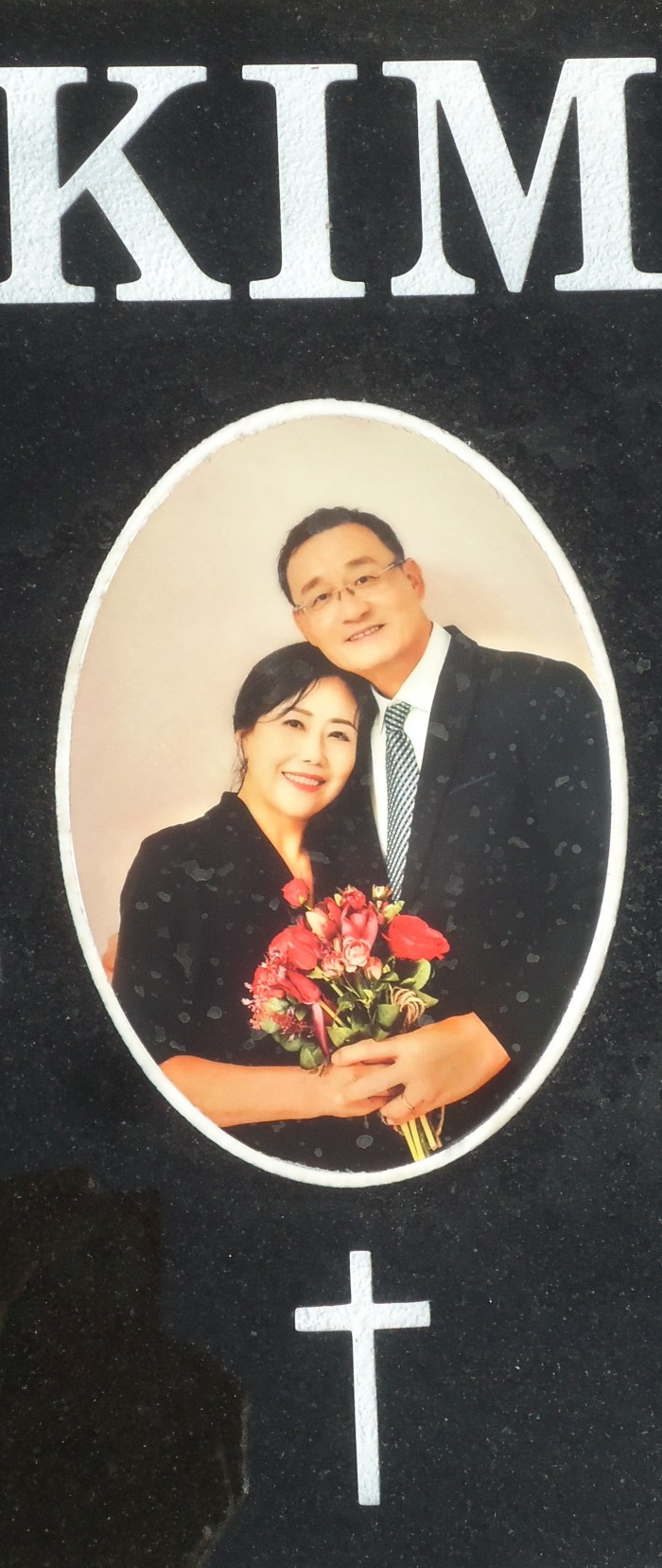 故김성태님▶◀추모 일년 기억
언제나 찾아가 볼런지 이리 저리 생각을 해보아도 요즘 같은 세상비싼 댓가를 치루더라도 반드시찾아가 보리라 확고 부동한 마음2026년1월29[목]일에 찾았을 때,비석이 올려지지 않…
故김성태님▶◀추모 일년 기억
언제나 찾아가 볼런지 이리 저리 생각을 해보아도 요즘 같은 세상비싼 댓가를 치루더라도 반드시찾아가 보리라 확고 부동한 마음2026년1월29[목]일에 찾았을 때,비석이 올려지지 않…
-
 알고있으면 유익한 생명보험 선택법: Term과 Whole Life 완벽정리
안녕하세요. 1977년부터 미주 한인 사회와 함께하며 대를 이어 고객의 자산을 지켜온 한솔보험입니다. 많은 분이 생명보험 가입을 고려하실 때 가장 먼저 고민하시는 부분이 바로 "…
알고있으면 유익한 생명보험 선택법: Term과 Whole Life 완벽정리
안녕하세요. 1977년부터 미주 한인 사회와 함께하며 대를 이어 고객의 자산을 지켜온 한솔보험입니다. 많은 분이 생명보험 가입을 고려하실 때 가장 먼저 고민하시는 부분이 바로 "…
-
 청송≤전국구 출장안마≥라인:LUP25√청송출장콜걸√청송출장마사지√청송모텔출장알바√청송24시예약상담√
 청송≤전…
청송≤전국구 출장안마≥라인:LUP25√청송출장콜걸√청송출장마사지√청송모텔출장알바√청송24시예약상담√
청송≤전국구 출장안마≥라인:LUP25√청송출장콜걸√청송출장마사지√청송모텔출장알바√청송24시예약상담√ 청송≤전…
-
 프로의 융자노트 리버스 모기지, 무조건 좋을까요? 내 건강과 상황에 맞는 팩트 체크!
안녕하세요. 한국일보 독자 여러분 스티브 양입니다. 한국일보 컬럼에서 은퇴 후 내 집을 든든한 연금으로 활용하는 리버스 모기지의 기본 개념에 대해 알아보았습니다. 상담을 하다 …
프로의 융자노트 리버스 모기지, 무조건 좋을까요? 내 건강과 상황에 맞는 팩트 체크!
안녕하세요. 한국일보 독자 여러분 스티브 양입니다. 한국일보 컬럼에서 은퇴 후 내 집을 든든한 연금으로 활용하는 리버스 모기지의 기본 개념에 대해 알아보았습니다. 상담을 하다 …
-
 성동구≤전국구 출장안마≥라인:LUP25√성동구출장콜걸√성동구출장마사지√성동구모텔출장알바√성동구24시예약상담√
 성동…
성동구≤전국구 출장안마≥라인:LUP25√성동구출장콜걸√성동구출장마사지√성동구모텔출장알바√성동구24시예약상담√
성동구≤전국구 출장안마≥라인:LUP25√성동구출장콜걸√성동구출장마사지√성동구모텔출장알바√성동구24시예약상담√ 성동…
-
 College Decision Day 5월 1일 임박! 명문대 Waitlist 합격을 위한 마지막 승부수
안녕하세요. 보스턴 에듀케이션입니다.5월 1일(College Decision Day)이 다가오면서, 명문대 대기자 명단(Waitlist) 결과를 두고 애태우는 분들이 많으실 겁니…
College Decision Day 5월 1일 임박! 명문대 Waitlist 합격을 위한 마지막 승부수
안녕하세요. 보스턴 에듀케이션입니다.5월 1일(College Decision Day)이 다가오면서, 명문대 대기자 명단(Waitlist) 결과를 두고 애태우는 분들이 많으실 겁니…
-
 동작구스웨디시★예약톡:777wa★동작구스웨디시㉿동작구애인만남㉿동작구유흥업소㉿동작구횟수무제한㉿콜걸샵
동작구스웨디시★예약톡:777wa★동작구스웨디시㉿동작구애인만남㉿동작구유흥업소㉿동작구횟수무제한㉿콜걸샵
동작구스웨디시★예약톡:777wa★동작구스웨디시㉿동작구애인만남㉿동작구유흥업소㉿동작구횟수무제한㉿콜걸샵
-
 은평구출장홈타이™20대™라인:LUP25™은평구유흥업소™은평구룸싸룽™은평구여대생출장안마™은평구출장만남후기™
은평구출장홈타이™20대™라인:LUP25™은평구유흥업소™은평구룸싸룽™은평구여대생출장안마™은평구출장만남후기&trade…
은평구출장홈타이™20대™라인:LUP25™은평구유흥업소™은평구룸싸룽™은평구여대생출장안마™은평구출장만남후기™
은평구출장홈타이™20대™라인:LUP25™은평구유흥업소™은평구룸싸룽™은평구여대생출장안마™은평구출장만남후기&trade…
-
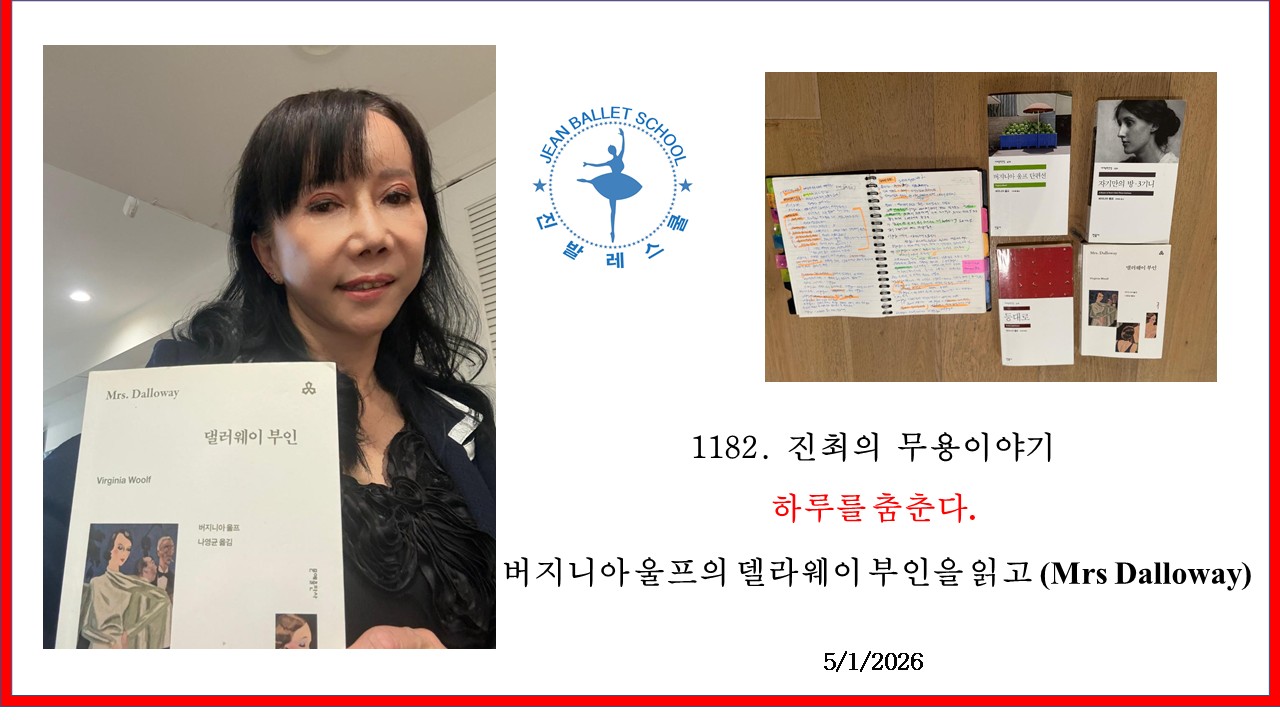 1182.하루를 춤춘다 — 버지니아 울프의 델라웨이 부인을 읽고 (Mrs Dalloway)
올해 4월, 독서 모임에서 함께 읽은 책은 버지니아 울프의 델라웨이 부인 (Mrs Dalloway)이었다.모더니즘 문학은 사건보다 마음을 따라가는 문학이다. 생각과 감정, 과거와…
1182.하루를 춤춘다 — 버지니아 울프의 델라웨이 부인을 읽고 (Mrs Dalloway)
올해 4월, 독서 모임에서 함께 읽은 책은 버지니아 울프의 델라웨이 부인 (Mrs Dalloway)이었다.모더니즘 문학은 사건보다 마음을 따라가는 문학이다. 생각과 감정, 과거와…
-
 곡성출장홈타이™20대™라인:LUP25™곡성유흥업소™곡성룸싸룽™곡성여대생출장안마™곡성출장만남후기™
곡성출장…
곡성출장홈타이™20대™라인:LUP25™곡성유흥업소™곡성룸싸룽™곡성여대생출장안마™곡성출장만남후기™
곡성출장홈타이™20대™라인:LUP25™곡성유흥업소™곡성룸싸룽™곡성여대생출장안마™곡성출장만남후기™곡성출장…

Ktown1번가 대표이메일 webinfo@koreatimes.com | 업소록 문의 yp@koreatimes.com
Powered by The Korea Times. Copyright ©The Korea Times All rights reserved.