


- [私の心の随筆] 〈静観(せいかん)の心構えで混乱した世界を渡る〉992026.03.03
- [내 마음의 隨筆] <간이(簡易) 최립(崔岦)에게서 배우는 열 가지 교훈(敎訓)>1682026.03.04
- [An Essay from My Heart] Ten Lessons from Gani Choe Rip1222026.03.04
- [내 마음의 隨筆] <東西洋 두 르네상스형 人物의 만남 — 簡易 崔岦과 Benjamin Franklin>1632026.03.05
- [私の心の随筆] 簡易 崔岦から学ぶ十の教訓1182026.03.04
[An Essay from My Heart] Ten Lessons from Gani Choe Rip
2026.03.04
— Through the Life of a Joseon Diplomat and Renaissance-Type Seonbi —
Choe Rip (1539–1612), known by his pen name Gani, was a civil official, seasoned diplomat, and accomplished man of letters of mid-Joseon. He was a figure who transcended the boundaries of his era. A scholar and poet, he was also a practical intellectual who upheld the dignity of Joseon in the field of diplomacy. He is often called a “Renaissance-type seonbi” because his learning, literature, diplomacy, and political sensibility formed a harmonious balance. His life, work, and diplomatic activities offer profound reflection for us today.
Learning Must Meet Reality
Though grounded in Neo-Confucian cultivation, Choe Rip did not confine learning to the study. In drafting diplomatic documents and participating in official missions, he elevated the status of Joseon through his outstanding literary skill. Knowledge shines when it addresses real problems and contributes to their resolution.
Writing Is Character
Renowned in his time as a master of prose, his poetry and essays were refined and restrained, free from emotional excess. In diplomacy, writing represented the face of the nation. The dignity of language reflects the dignity of the person.
Diplomacy Is Achieved Through Dignity, Not Force
In relations with Ming China, he maintained Joseon’s self-respect while showing respect to others. Neither coercion nor submission, but mutual respect, formed the guiding principle of his diplomacy—a principle still valid in international relations today.
Do Not Lose Composure in Crisis
Amid the turmoil before and after the Imjin War, he experienced a time of upheaval and national crisis. He demonstrated that reason, rather than emotion, is essential in difficult times. Calmness is a fundamental quality of leadership.
Cultural Cultivation Is a Diplomatic Asset
Through poetry and prose, he engaged in exchange with Chinese literati. Cultural exchange went beyond ritual protocol and built trust. Diplomacy draws strength not only from military power but from cultural depth.
Read the Present Through the Classics
He studied Chinese classics deeply while applying them to Joseon’s contemporary reality. Tradition is not mere imitation, but the foundation for interpretation and creative renewal.
Maintain Balance
Politically, he avoided extremes and pursued the path of the mean. The attitude of seeking balance between learning and reality, ideals and practice, remains an essential virtue for leaders today.
Hold Self-Respect and Humility Together
As a representative of Joseon, he preserved self-respect while maintaining humility toward others. Self-respect without humility breeds conflict; humility without self-respect fails to earn respect.
Leave Records for Posterity
His collected works became more than literature; they became historical records of the age. Writing preserves the spirit of an era. Records become the shared asset of a community, transcending the individual.
Become an Integrated Human Being
Choe Rip did not confine himself to a single field. He embodied the cultivation of a seonbi, the sensitivity of a man of letters, and the practical awareness of a diplomat. When a person refuses to be limited to one domain, a broader world opens.
The life of Gani Choe Rip demonstrates how expansive an intellectual world can unfold even within the constraints of a particular time and place. He sought unity between word and deed, between thought and action.
His life quietly asks us today: How do we use knowledge? Do we speak with dignity? Do we hold self-respect and humility together in a global age?
The life of this Renaissance-type seonbi stands as a historical example, proving how harmoniously a human being can grow. ***
March 4, 2026
At Sungsunjae (崇善齋)
{Solti}
한국어 번역: https://www.ktown1st.com/blog/VALover/348541
日本語 飜譯:
https://www.ktown1st.com/blog/VALover/348543



-
 더욱 편리해진 DMV
아침부터 줄을 내내 서야 하는 곳~그까짓 것 하나에도 열과 성의를보여야 하는 관공서의 제 일 순위?DMV의 업무가 이제는 조금만 관심갖고 정신적으로 공부를 하게 되면예전에 비해서…
더욱 편리해진 DMV
아침부터 줄을 내내 서야 하는 곳~그까짓 것 하나에도 열과 성의를보여야 하는 관공서의 제 일 순위?DMV의 업무가 이제는 조금만 관심갖고 정신적으로 공부를 하게 되면예전에 비해서…
-
 영광셔츠룸 만남★라인:LUP25★영광출장안마★영광오일맛사지★영광노래방★영광유흥업소★영광썸오★
영광셔츠룸 만남★라인:LUP25★영광출장안마★영광오일맛사지★영광노래방★영광유흥업소★영광…
영광셔츠룸 만남★라인:LUP25★영광출장안마★영광오일맛사지★영광노래방★영광유흥업소★영광썸오★
영광셔츠룸 만남★라인:LUP25★영광출장안마★영광오일맛사지★영광노래방★영광유흥업소★영광썸오★영광셔츠룸 만남★라인:LUP25★영광출장안마★영광오일맛사지★영광노래방★영광유흥업소★영광…
-
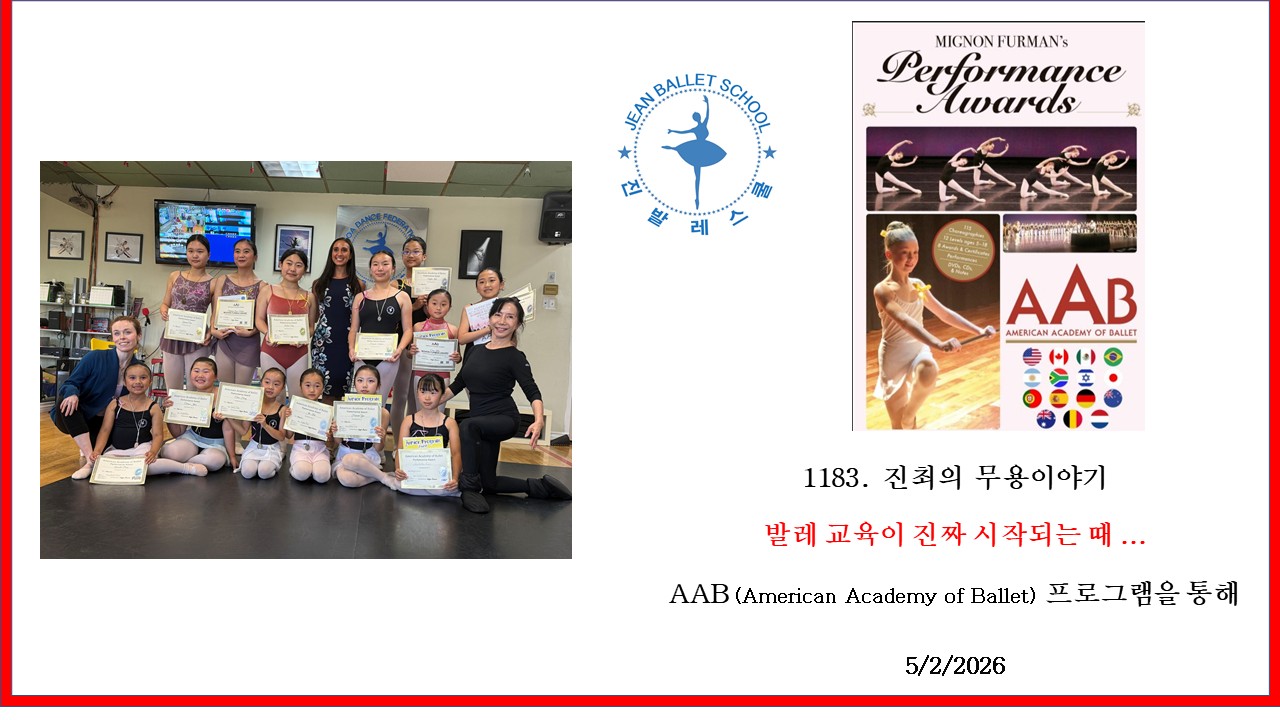 1183. 발레 교육이 진짜 시작되는 때 — AAB 프로그램을 통해..When Ballet Education Truly Begins — Through the AAB Program
지난 주말, 아이들은 한 단계 더 깊어졌다. 같은 동작을 하고 있었지만, 그 안의 결이 달라져 있었다. 눈빛이 달라졌고, 몸의 중심이 달라졌고, 무엇보다 그 시간을 대하는 태도가…
1183. 발레 교육이 진짜 시작되는 때 — AAB 프로그램을 통해..When Ballet Education Truly Begins — Through the AAB Program
지난 주말, 아이들은 한 단계 더 깊어졌다. 같은 동작을 하고 있었지만, 그 안의 결이 달라져 있었다. 눈빛이 달라졌고, 몸의 중심이 달라졌고, 무엇보다 그 시간을 대하는 태도가…
-
 이 땅에서 죽을병 안 걸리고 사고사 안 당하고 장수하는 방법 소개.
---건강하게 이 땅에서 오래 살려면 부모를 공경하고 예수 하나님 말씀을 사랑하며 경외하며 실천 하시면 장수하게…
이 땅에서 죽을병 안 걸리고 사고사 안 당하고 장수하는 방법 소개.
이 땅에서 죽을병 안 걸리고 사고사 안 당하고 장수하는 방법 소개.---건강하게 이 땅에서 오래 살려면 부모를 공경하고 예수 하나님 말씀을 사랑하며 경외하며 실천 하시면 장수하게…
-
 나주출장홈타이™20대™라인:LUP25™나주유흥업소™나주룸싸룽™나주여대생출장안마™나주출장만남후기™
나주출장…
나주출장홈타이™20대™라인:LUP25™나주유흥업소™나주룸싸룽™나주여대생출장안마™나주출장만남후기™
나주출장홈타이™20대™라인:LUP25™나주유흥업소™나주룸싸룽™나주여대생출장안마™나주출장만남후기™나주출장…
-
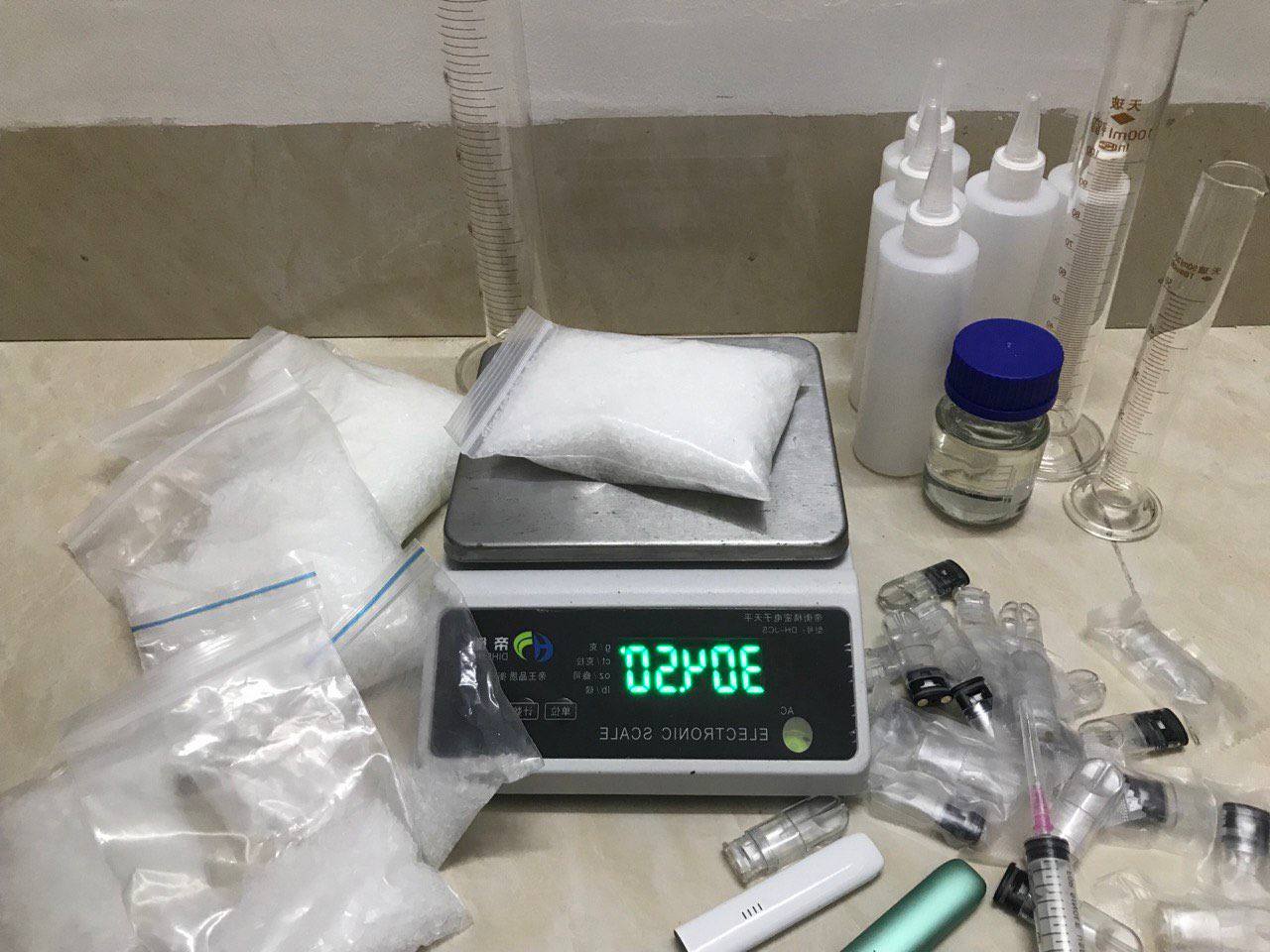 Buy Kpods Vape, buy Etomidate Pods , order Etomidate,space oil ,CAS: 33125-97-2
Buy Kpods Vape, buy Etomidate Pods in New Zealand - order Etomidate,space oil ,CAS: 33125-97-2 ,Eto…
Buy Kpods Vape, buy Etomidate Pods , order Etomidate,space oil ,CAS: 33125-97-2
Buy Kpods Vape, buy Etomidate Pods in New Zealand - order Etomidate,space oil ,CAS: 33125-97-2 ,Eto…
-
 잘 가요~! 그 가족들!
이미 그 가족들은 대략 3주 전에 모두 제 2의 생업 장소로 이동하여 생활하고얼마 남지 않은 잔여 시간을 위해 나온그 가족의 엄마는 잠간씩 일터에 나와있기는 하지만 입주자들의 모…
잘 가요~! 그 가족들!
이미 그 가족들은 대략 3주 전에 모두 제 2의 생업 장소로 이동하여 생활하고얼마 남지 않은 잔여 시간을 위해 나온그 가족의 엄마는 잠간씩 일터에 나와있기는 하지만 입주자들의 모…
-
 동작구스웨디시★예약톡:777wa★동작구스웨디시㉿동작구애인만남㉿동작구유흥업소㉿동작구횟수무제한㉿콜걸샵
동작구스웨디시★예약톡:777wa★동작구스웨디시㉿동작구애인만남㉿동작구유흥업소㉿동작구횟수무제한㉿콜걸샵
동작구스웨디시★예약톡:777wa★동작구스웨디시㉿동작구애인만남㉿동작구유흥업소㉿동작구횟수무제한㉿콜걸샵
-
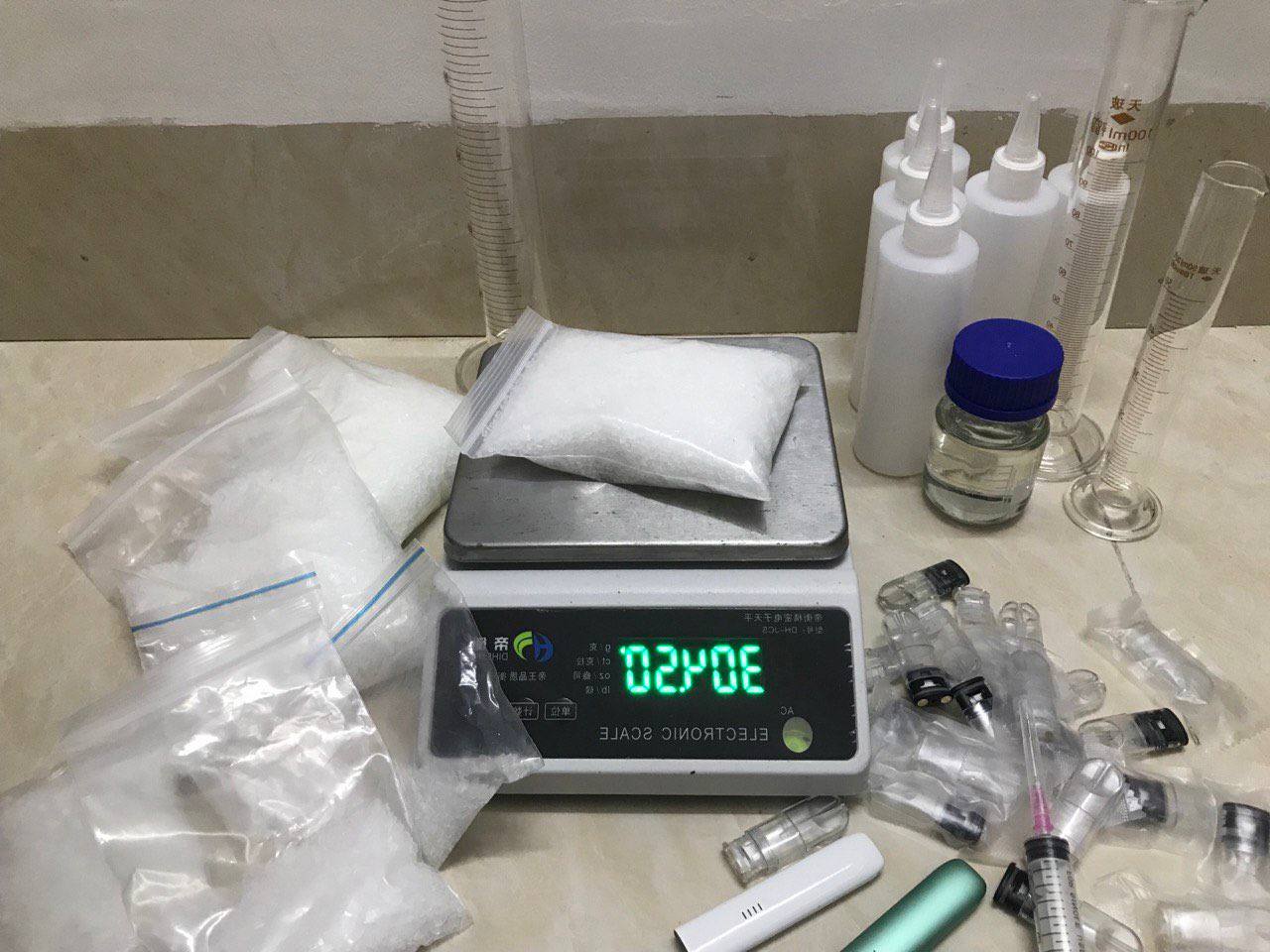 Buy Kpods Vape, buy Etomidate Pods ,order Etomidate,space oil ,CAS: 33125-97-2,order tiletamine , bu
Buy Kpods Vape, buy Etomidate Pods ,order Etomidate,space oil ,CAS: 33125-97-2,order tiletamine , b…
Buy Kpods Vape, buy Etomidate Pods ,order Etomidate,space oil ,CAS: 33125-97-2,order tiletamine , bu
Buy Kpods Vape, buy Etomidate Pods ,order Etomidate,space oil ,CAS: 33125-97-2,order tiletamine , b…
-
 명문대가 로봇공학(Robotics) 특활에 열광하는 진짜 이유
보스턴 에듀케이션 입니다. "앞으로 우리 아이들은 무엇을 어떻게 준비해야 되요?" 학부모님들께 가장 많이 듣는 질문입니다. 불과 몇 년 전만 해도 답은 꽤 단순했습니다. 완벽한 …
명문대가 로봇공학(Robotics) 특활에 열광하는 진짜 이유
보스턴 에듀케이션 입니다. "앞으로 우리 아이들은 무엇을 어떻게 준비해야 되요?" 학부모님들께 가장 많이 듣는 질문입니다. 불과 몇 년 전만 해도 답은 꽤 단순했습니다. 완벽한 …

Ktown1번가 대표이메일 webinfo@koreatimes.com | 업소록 문의 yp@koreatimes.com
Powered by The Korea Times. Copyright ©The Korea Times All rights reserved.