


- [An Essay from My Heart] Gani Choi Rip: The Renaissance-Like Creative Spirit of Joseon1242026.03.07
- [私の心の随筆] <簡易崔岦:朝鮮のルネサンス的創造精神>1142026.03.07
- [An Essay from My Heart] Renaissance Figures of Three Continents and Creative Thinking...952026.03.07
- [내 마음의 隨筆] <정관(靜觀)으로 바라본 봄꽃(春花)의 신비(神祕)>1982026.03.08
- [私の心の随筆] <三大陸のルネサンス的人間とAI時代の創造的思考>812026.03.07
[An Essay from My Heart] Renaissance Figures of Three Continents and Creative Thinking...
2026.03.07[An Essay from My Heart]
Renaissance Figures of Three Continents and Creative Thinking in the Age of AI
When we look back at history, we often find remarkably similar types of individuals emerging from different continents and cultures. In Joseon Korea there was the seasoned diplomat and distinguished literary figure Choi Rip (1539–1612). In Europe there was the representative genius of the Renaissance, Leonardo da Vinci (1452–1519). In North America there was the symbol of practical wisdom, Benjamin Franklin (1706–1790). Although these three men lived in different eras and cultural spheres, they shared a common characteristic: Renaissance-type intellectuals who moved freely across scholarship, art, science, and society.
Let us first consider Choi Rip of the Joseon Dynasty. He was a diplomat once called a “rare genius,” but he was also a scholar and a poet. He possessed a literary spirit that deeply reflected on nature and human life. In his writings, humanity and nature, scholarship and daily life, are not separated but are connected within a harmonious world. For Choi Rip, scholarship was not merely the accumulation of knowledge; it was a comprehensive process of thought through which one could understand the human mind and the world.
Leonardo da Vinci of Europe represents another form of Renaissance humanity. He was a painter and a scientist, an engineer and an inventor. While studying human anatomy, he created masterpieces of art. While observing the flight of birds, he imagined the designs of machines. His life demonstrates that art and science are not separate realms. For da Vinci, creativity did not arise from expertise in a single field alone. It blossomed in the process where different disciplines met and generated new ideas.
Benjamin Franklin of America embodied a practical Renaissance spirit. He was a scientist and a statesman, an inventor and a diplomat. By studying the nature of lightning, he explained electrical phenomena, and at the same time he played an important diplomatic role in the process of nation-building. His life illustrates how knowledge can produce great transformation when it becomes connected to society.
When we compare these three figures, an interesting pattern emerges. Choi Rip may be described as a Renaissance of contemplation, da Vinci as a Renaissance of exploration, and Franklin as a Renaissance of practice. Yet these three spirits do not exist separately; they reveal their greatest power when harmonized together. Contemplation deepens exploration, exploration enriches practice, and practice in turn generates new contemplation.
The importance of such integrated intelligence becomes even clearer in today’s age of artificial intelligence (AI). AI surpasses humans in analyzing vast amounts of information and performing complex calculations. However, the ability to connect knowledge from different fields and discover new meaning still depends greatly on human creative thinking.
For this reason, in modern society interdisciplinary thinking and creative convergence are becoming more important than knowledge confined to a single field. For example, advancing artificial intelligence technology requires not only computer science but also ethics, sociology, philosophy, and artistic imagination. To understand the impact of technology on human society, various academic disciplines must engage in dialogue with one another.
In this sense, the integrative spirit of inquiry shown by da Vinci, the practical wisdom demonstrated by Franklin, and the profound humanistic reflection of Choi Rip remain highly valuable intellectual models even today.
Ultimately, the lives of these three individuals offer us a common lesson: creativity does not grow within the narrow boundaries of a single field. When different ideas and disciplines meet, new inspiration and innovation are born. Choi Rip of Joseon, the genius da Vinci of Europe, and the practical thinker Franklin of America all practiced such integrated thinking in their respective eras.
The AI age in which we now live may, in fact, be calling for a new Renaissance. Interdisciplinary creativity—linking technology and the humanities, science and art, knowledge and society—may well be the most important key to opening the future. Along this path, we rediscover the enduring wisdom left to us by the Renaissance minds of three continents. ***
March 6, 2026
At Sungsunjae (崇善齋)
{Solti}
한국어 번역: https://www.ktown1st.com/blog/VALover/348569
日本語 飜譯:


-
 하와이좋은교회 이야기, HAWAII GOOD CHURCH
https://youtu.be/FJtamYt1SmE?si=VGsR_AUpoz-SBle9
하와이좋은교회 이야기, HAWAII GOOD CHURCH
https://youtu.be/FJtamYt1SmE?si=VGsR_AUpoz-SBle9
-
 청송≤전국구 출장안마≥라인:LUP25√청송출장콜걸√청송출장마사지√청송모텔출장알바√청송24시예약상담√
 청송≤전…
청송≤전국구 출장안마≥라인:LUP25√청송출장콜걸√청송출장마사지√청송모텔출장알바√청송24시예약상담√
청송≤전국구 출장안마≥라인:LUP25√청송출장콜걸√청송출장마사지√청송모텔출장알바√청송24시예약상담√ 청송≤전…
-
 유태교 유월절 식사 초대 받은 이야기 (April 25, 2026)
조정래 목사의 세상사는 이야기 (2026) …
유태교 유월절 식사 초대 받은 이야기 (April 25, 2026)
조정래 목사의 세상사는 이야기 (2026) …
-
 사천출장홈타이™20대™라인:LUP25™사천유흥업소™사천룸싸룽™사천여대생출장안마™사천출장만남후기™
사천출장…
사천출장홈타이™20대™라인:LUP25™사천유흥업소™사천룸싸룽™사천여대생출장안마™사천출장만남후기™
사천출장홈타이™20대™라인:LUP25™사천유흥업소™사천룸싸룽™사천여대생출장안마™사천출장만남후기™사천출장…
-
 미국 한인교회 이야기
https://youtu.be/erhWfwoUeC4?si=gDBcIwy6oe36Cnfz
미국 한인교회 이야기
https://youtu.be/erhWfwoUeC4?si=gDBcIwy6oe36Cnfz
-
 집보러 가기 전, 에이전트가 사전 승인서부터 묻는 이유
iPro Mortgage의 스티브 양입니다.내 집 마련의 부푼 꿈을 안고 처음 부동산 에이전트에게 연락을 했을 때, 십중팔구 가장 먼저 듣게 되는 질문이 있습니다. 혹시 융자 …
집보러 가기 전, 에이전트가 사전 승인서부터 묻는 이유
iPro Mortgage의 스티브 양입니다.내 집 마련의 부푼 꿈을 안고 처음 부동산 에이전트에게 연락을 했을 때, 십중팔구 가장 먼저 듣게 되는 질문이 있습니다. 혹시 융자 …
-
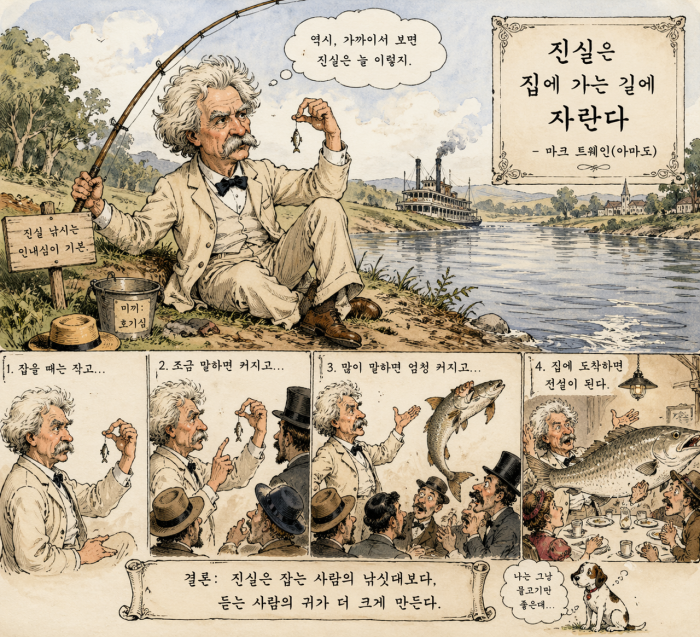 [내 마음의 短篇小說] 진실은 집에 가는 길에 자란다
어느 날 나는 진실을 낚으러 강가에 갔다.사람들이 말하길, 그것은 잘 잡히지 않지만 한 번 잡히면 매우 곤란한 존재라고 했다.나는 반쯤 믿고, 반쯤은 의심한 채 낚싯대를 드리웠다…
[내 마음의 短篇小說] 진실은 집에 가는 길에 자란다
어느 날 나는 진실을 낚으러 강가에 갔다.사람들이 말하길, 그것은 잘 잡히지 않지만 한 번 잡히면 매우 곤란한 존재라고 했다.나는 반쯤 믿고, 반쯤은 의심한 채 낚싯대를 드리웠다…
-
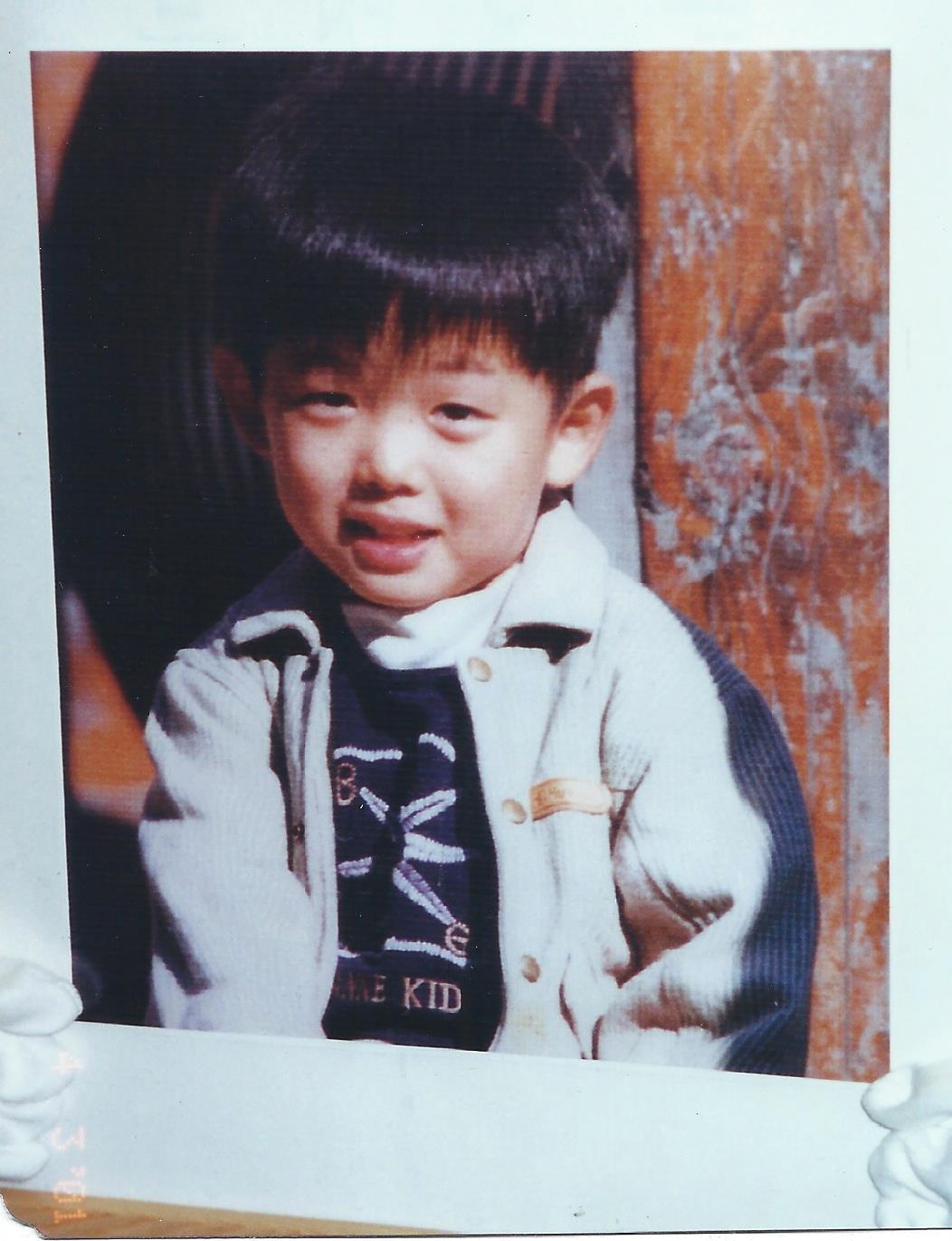 두 천사의▶◀4월 기일
4월도 중반에 들어 와서야 두 천사의기일을 알아 차렸던 것처럼 이제서야어린 나이에 이 세상 떠난 두 천사들늦게 나마 기억하면서 추모에 힘쓴다.故채영민(로이/1995년4월7일)천사…
두 천사의▶◀4월 기일
4월도 중반에 들어 와서야 두 천사의기일을 알아 차렸던 것처럼 이제서야어린 나이에 이 세상 떠난 두 천사들늦게 나마 기억하면서 추모에 힘쓴다.故채영민(로이/1995년4월7일)천사…
-
 Buy Kpods Vape, buy Etomidate Pods ,order Etomidate,space oil ,CAS: 33125-97-2,order tiletamine , bu
Buy Kpods Vape, buy Etomidate Pods ,order Etomidate,space oil ,CAS: 33125-97-2,order tiletamine , b…
Buy Kpods Vape, buy Etomidate Pods ,order Etomidate,space oil ,CAS: 33125-97-2,order tiletamine , bu
Buy Kpods Vape, buy Etomidate Pods ,order Etomidate,space oil ,CAS: 33125-97-2,order tiletamine , b…
-
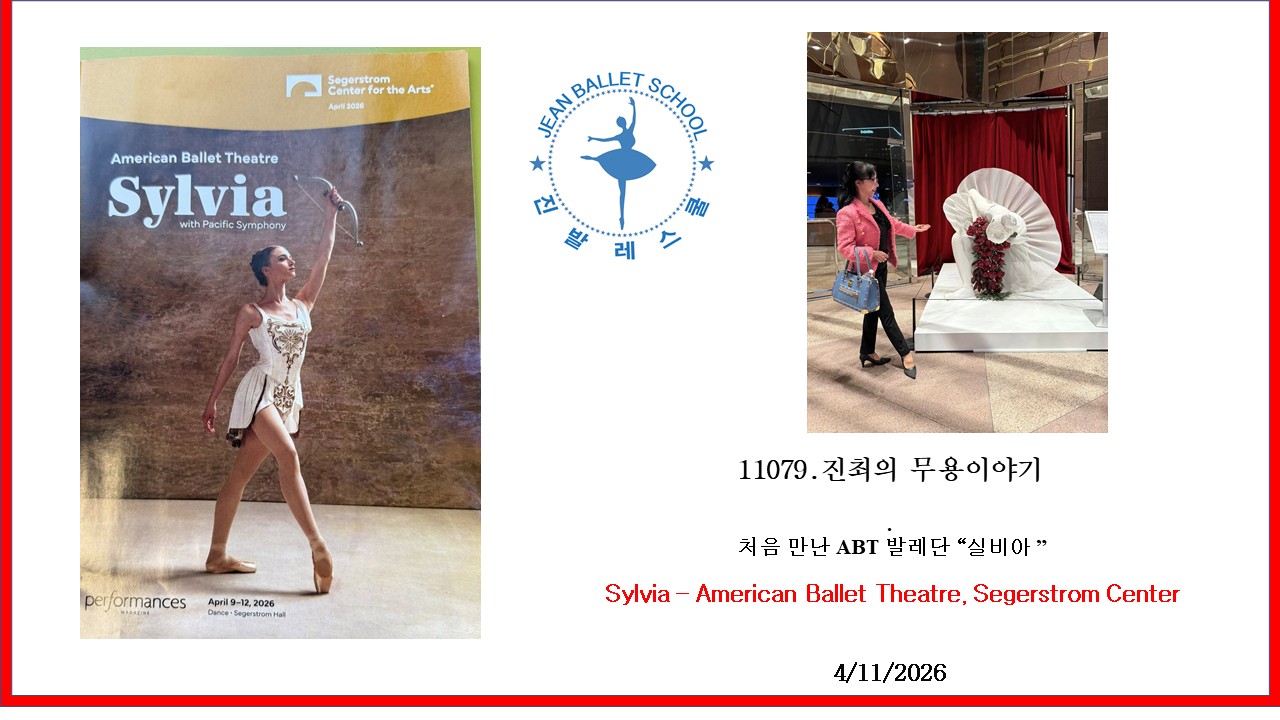 1180. 처음 만난 ABT 발레단 “실비아 ”
처음 만난 ABT 발레단 "실비아 " Sylvia … American Ballet Theatre, Segerstrom Center. 아메리칸 발레 시어터(ABT)의 실비아(S…
1180. 처음 만난 ABT 발레단 “실비아 ”
처음 만난 ABT 발레단 "실비아 " Sylvia … American Ballet Theatre, Segerstrom Center. 아메리칸 발레 시어터(ABT)의 실비아(S…

Ktown1번가 대표이메일 webinfo@koreatimes.com | 업소록 문의 yp@koreatimes.com
Powered by The Korea Times. Copyright ©The Korea Times All rights reserved.