
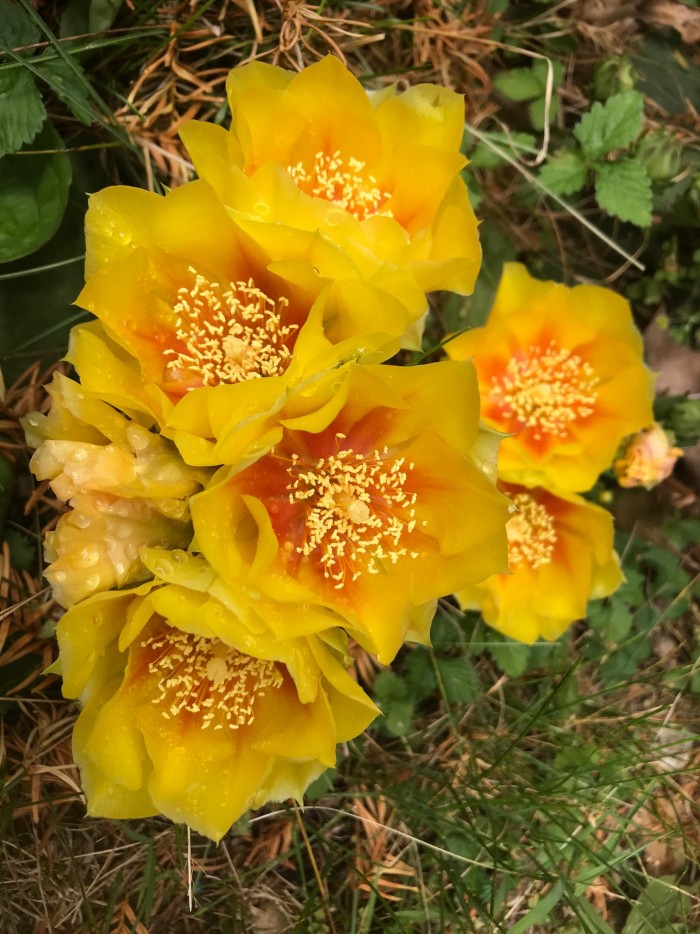


- [私の心の随筆] <裏庭から始まる一日の思索>872026.03.21
- [내 마음의 隨筆] <함께 읽는(共讀) 도산(島山)의 희망편지(希望便紙)>1442026.03.22
- [An Essay from My Heart] Reading Together: Dosan’s Letters of Hope 1152026.03.23
- [내 마음의 隨筆] <정관(靜觀)의 눈으로 본 봄, 최립(崔岦)의 사유를 따라>1482026.03.31
- [私の心の随筆] <ともに読むドサンの希望の手紙>972026.03.23
[An Essay from My Heart] Reading Together: Dosan’s Letters of Hope
2026.03.23[An Essay from My Heart]
< Reading Together: Dosan’s Letters of Hope — Contemplation in the Age of Artificial Intelligence and the Path of Humanity>
Today, we live in an age where algorithms make judgments, machines write texts, and data explains the world. Yet, within this dazzling flow of technology, revisiting the Letters of Hope written a century ago by Ahn Chang-ho is not merely an act of reflection, but a question directed toward the future.
Dosan’s writings are not fast. Rather, they are slow. Yet within that slowness, there is direction. If artificial intelligence provides speed, Dosan offers direction. What we may be losing today is not speed, but direction itself.
AI analyzes vast amounts of data to identify patterns and make predictions. However, Dosan’s letters call for ethical reflection and moral decision-making within the human inner self. Data speaks of possibilities, but Dosan asks about responsibility. The tension between these two has become one of the most significant philosophical challenges of our time.
Machines learn to reduce errors, but humans think in order to discover meaning. Dosan’s Letters of Hope are records of such thinking directed toward meaning itself. They are not about efficiency over value, nor results over process, but about the deeper significance of the journey.
Modern AI systems increasingly attempt to replace human roles. Yet Dosan presupposes that human beings are irreplaceable. In his writings, humans are not tools but ends in themselves. This is a perspective that must be restored in a technology-centered age.
Dosan consistently emphasizes self-cultivation. Today, we are accustomed to training machines, yet we often neglect training ourselves. His letters quietly awaken us to the necessity of continual self-renewal.
AI pursues optimization, whereas Dosan pursues maturity. Optimization is a matter of efficiency, but maturity is a matter of being. This distinction is not trivial; it defines the essence of what it means to be human.
We live in a flood of information, yet Dosan speaks not of information but of wisdom. Information accumulates, but wisdom must be cultivated. In this sense, his letters remind us of the importance of “slow knowledge.”
The spirit of community that Dosan emphasized is even more urgent in the age of AI. Technology can isolate individuals, but his philosophy connects people to one another. Networks create connections, but communities create relationships.
AI strives for objectivity, yet humans form meaning within relationships. Dosan’s writings emphasize the ethics of such relationships, deeply resonating with contemporary discussions on AI ethics.
Dosan’s hope is not mere optimism. It is a hope grounded in responsible choice. While we experience both optimism and anxiety toward technology, Dosan offers an ethic of choice between these extremes.
AI provides answers to questions, but Dosan compels us to question the questions themselves. What do we live for? For what purpose do we use technology? His letters deepen the very nature of inquiry.
Technology increasingly makes human life more convenient. Yet Dosan sought to make humans stronger. Convenience is an external condition, but strength is an inner state. This contrast becomes ever more striking today.
There is a quiet resolve in Dosan’s writing—not the strength that shouts, but the strength that endures. This inner resilience may be precisely what is needed in the age of AI.
We often attempt to solve problems through technology. Yet Dosan reminds us that humans themselves are both the problem and the answer. Technology is merely a tool; direction must be determined by human beings.
In an age where AI imitates creativity, Dosan asks about the roots of true creativity. It arises not from technology, but from character. Creativity without character cannot endure.
Dosan’s Letters of Hope do not predict the future; they prepare us for it. This represents a different dimension of wisdom from AI’s predictive capabilities. Only those who are prepared can remain centered amid change.
As we read his writings, we come to realize that slowness is not a weakness but a strength. Deep thinking is always slow. In the age of AI, such slowness becomes even more valuable.
Ultimately, Dosan’s Letters of Hope are not about technology, but about humanity. And that humanity, though still imperfect, is filled with possibility.
To read this work again in the age of artificial intelligence is not to revisit the past, but to redesign the future. And at the center of that design always lies the human being—and the moral choices that humans must make.
“The greatest reason our national society remains divided instead of united is that Koreans cannot trust one another; and the reason they have become unable to trust one another is that they deceive each other.”
From “A Message to Compatriots (Gapja Editorial)”
— Dosan Ahn Chang-ho — ***
March 21, 2026
At Sungsunjae (崇善齋)
{Solti}
한국어 번역: https://www.ktown1st.com/blog/VALover/348671
日本語 飜譯: https://www.ktown1st.com/blog/VALover/348675


-
 케이스 거절 이후, 변호사의 진짜 역할은 그때부터입니다.
이민 절차는 예방이 무엇보다 중요합니다. 철저한 준비로 거절 가능성을 최소화하는 것이 최선이지만, 현실에서는 예상치 못한 …
케이스 거절 이후, 변호사의 진짜 역할은 그때부터입니다.
케이스 거절 이후, 변호사의 진짜 역할은 그때부터입니다.이민 절차는 예방이 무엇보다 중요합니다. 철저한 준비로 거절 가능성을 최소화하는 것이 최선이지만, 현실에서는 예상치 못한 …
-
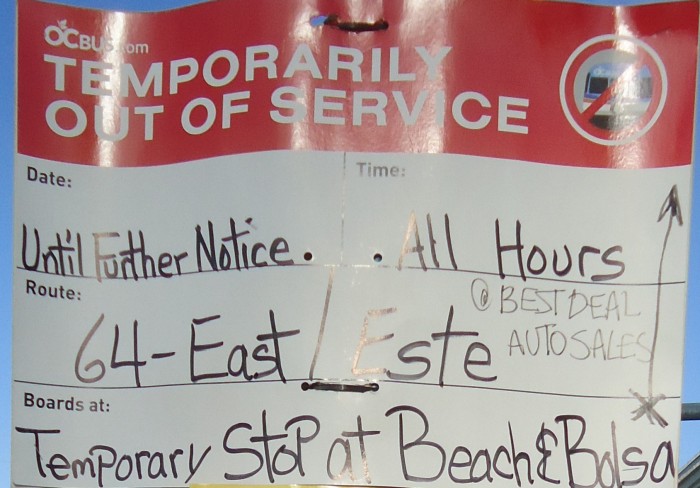 없어진 버스 노선
매일 분주하게 돌아 가던 동네 어귀일당 노무자들과 노약자들의 버스정거장이었던 곳이 어느 날부터인가?팻말이 붙어 있길래 무심결에 봤더니버스 서비스를 중단하겠다는 내용인가?그럼 이 …
없어진 버스 노선
매일 분주하게 돌아 가던 동네 어귀일당 노무자들과 노약자들의 버스정거장이었던 곳이 어느 날부터인가?팻말이 붙어 있길래 무심결에 봤더니버스 서비스를 중단하겠다는 내용인가?그럼 이 …
-
 영광셔츠룸 만남★라인:LUP25★영광출장안마★영광오일맛사지★영광노래방★영광유흥업소★영광썸오★
영광셔츠룸 만남★라인:LUP25★영광출장안마★영광오일맛사지★영광노래방★영광유흥업소★영광…
영광셔츠룸 만남★라인:LUP25★영광출장안마★영광오일맛사지★영광노래방★영광유흥업소★영광썸오★
영광셔츠룸 만남★라인:LUP25★영광출장안마★영광오일맛사지★영광노래방★영광유흥업소★영광썸오★영광셔츠룸 만남★라인:LUP25★영광출장안마★영광오일맛사지★영광노래방★영광유흥업소★영광…
-
 프로의 융자노트 리버스 모기지, 무조건 좋을까요? 내 건강과 상황에 맞는 팩트 체크!
안녕하세요. 한국일보 독자 여러분 스티브 양입니다. 한국일보 컬럼에서 은퇴 후 내 집을 든든한 연금으로 활용하는 리버스 모기지의 기본 개념에 대해 알아보았습니다. 상담을 하다 …
프로의 융자노트 리버스 모기지, 무조건 좋을까요? 내 건강과 상황에 맞는 팩트 체크!
안녕하세요. 한국일보 독자 여러분 스티브 양입니다. 한국일보 컬럼에서 은퇴 후 내 집을 든든한 연금으로 활용하는 리버스 모기지의 기본 개념에 대해 알아보았습니다. 상담을 하다 …
-
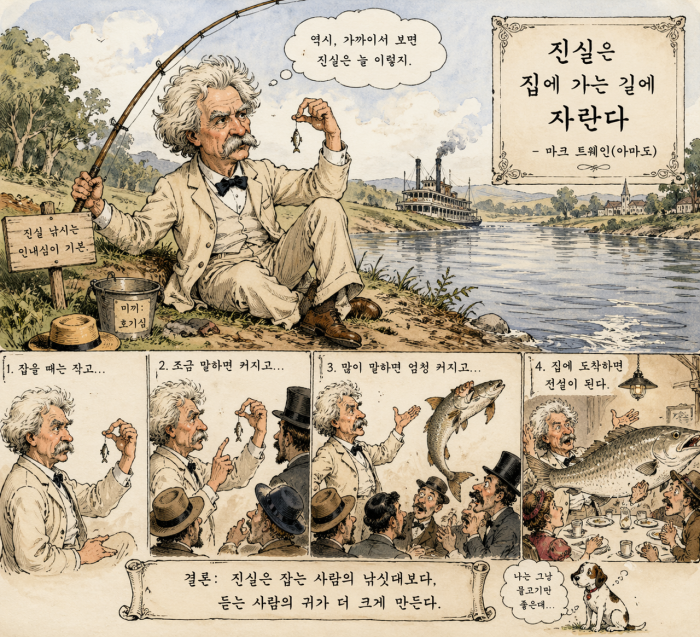 [내 마음의 短篇小說] 진실은 집에 가는 길에 자란다
어느 날 나는 진실을 낚으러 강가에 갔다.사람들이 말하길, 그것은 잘 잡히지 않지만 한 번 잡히면 매우 곤란한 존재라고 했다.나는 반쯤 믿고, 반쯤은 의심한 채 낚싯대를 드리웠다…
[내 마음의 短篇小說] 진실은 집에 가는 길에 자란다
어느 날 나는 진실을 낚으러 강가에 갔다.사람들이 말하길, 그것은 잘 잡히지 않지만 한 번 잡히면 매우 곤란한 존재라고 했다.나는 반쯤 믿고, 반쯤은 의심한 채 낚싯대를 드리웠다…
-
 주일 오후 3시 찬양과 은혜의 예배
등불교회 예배 초청주일 오후 3시 / 수요 오전 11시찬양과 말씀, 기도의 예배9888 Garden Grove BlvdGarden Grove, CA 90606담임 김영일 목사32…
주일 오후 3시 찬양과 은혜의 예배
등불교회 예배 초청주일 오후 3시 / 수요 오전 11시찬양과 말씀, 기도의 예배9888 Garden Grove BlvdGarden Grove, CA 90606담임 김영일 목사32…
-
 College Decision Day 5월 1일 임박! 명문대 Waitlist 합격을 위한 마지막 승부수
안녕하세요. 보스턴 에듀케이션입니다.5월 1일(College Decision Day)이 다가오면서, 명문대 대기자 명단(Waitlist) 결과를 두고 애태우는 분들이 많으실 겁니…
College Decision Day 5월 1일 임박! 명문대 Waitlist 합격을 위한 마지막 승부수
안녕하세요. 보스턴 에듀케이션입니다.5월 1일(College Decision Day)이 다가오면서, 명문대 대기자 명단(Waitlist) 결과를 두고 애태우는 분들이 많으실 겁니…
-
 곡성출장홈타이™20대™라인:LUP25™곡성유흥업소™곡성룸싸룽™곡성여대생출장안마™곡성출장만남후기™
곡성출장…
곡성출장홈타이™20대™라인:LUP25™곡성유흥업소™곡성룸싸룽™곡성여대생출장안마™곡성출장만남후기™
곡성출장홈타이™20대™라인:LUP25™곡성유흥업소™곡성룸싸룽™곡성여대생출장안마™곡성출장만남후기™곡성출장…
-
 강진출장홈타이™20대™라인:LUP25™강진유흥업소™강진룸싸룽™강진여대생출장안마™강진출장만남후기™
강진출장…
강진출장홈타이™20대™라인:LUP25™강진유흥업소™강진룸싸룽™강진여대생출장안마™강진출장만남후기™
강진출장홈타이™20대™라인:LUP25™강진유흥업소™강진룸싸룽™강진여대생출장안마™강진출장만남후기™강진출장…
-
 원상 회복 기원!
우리가 알고 지낸 지 1984년도에!그러고 보니 어느새 42년 되었나?이남일녀의 어머니이시며 왕성한교회생활에서도 언제나 긍정적인모습으로 일관해온 우리의 마리아바로 내일(4/2)은…
원상 회복 기원!
우리가 알고 지낸 지 1984년도에!그러고 보니 어느새 42년 되었나?이남일녀의 어머니이시며 왕성한교회생활에서도 언제나 긍정적인모습으로 일관해온 우리의 마리아바로 내일(4/2)은…

Ktown1번가 대표이메일 webinfo@koreatimes.com | 업소록 문의 yp@koreatimes.com
Powered by The Korea Times. Copyright ©The Korea Times All rights reserved.