
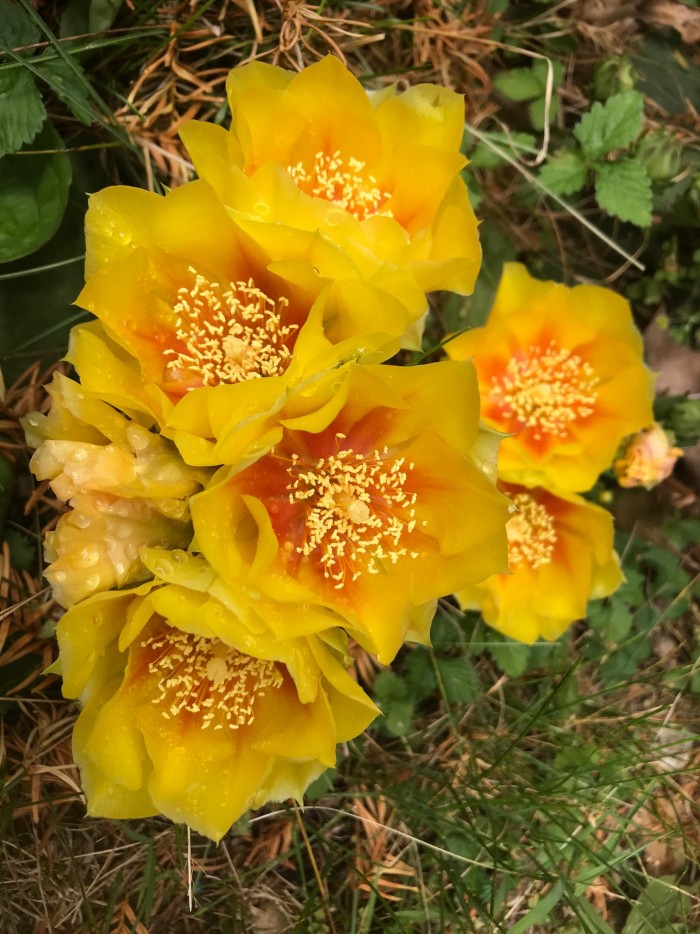


- [私の心の随筆] <ともに読むドサンの希望の手紙>1022026.03.23
- [내 마음의 隨筆] <정관(靜觀)의 눈으로 본 봄, 최립(崔岦)의 사유를 따라>1542026.03.31
- [An Essay from My Heart] Spring Through the Lens of Quiet Contemplation962026.03.31
- [내 마음의 隨筆] <부활(復活)의 목련(木蓮)> 1 of 22332026.04.04
- [私の心の随筆] <静観のまなざしで見る春――崔岦の思索に従って>942026.03.31
[An Essay from My Heart] Spring Through the Lens of Quiet Contemplation
2026.03.31[An Essay from My Heart]
Last week, on the day when spring snow fell, I stood in the yard for a long while, silently gazing at the flowers. Those that had already reached full bloom bowed their heads under the cold snow, revealing the fragile nature of life.
In that moment, I sensed that I was moving beyond mere “seeing” into the state of Jeonggwan (quiet contemplation). It was a posture of stepping back from emotional turbulence and facing the essence of things as they are.
Choi Rip described this Jeonggwan not as passive observation, but as a profound state in which the inner self and the external world meet in stillness. On that day, within the silence formed by snow and flowers, I felt I was beginning to experience its meaning.
The snow was beautiful. Yet within that beauty lay a harshness that froze the flowers. Through the lens of quiet contemplation, these were not opposites, but elements within a single order.
I no longer mourned the apparent death of the flowers. Instead, I began to accept, in stillness, the natural law and flow of time unfolding within them.
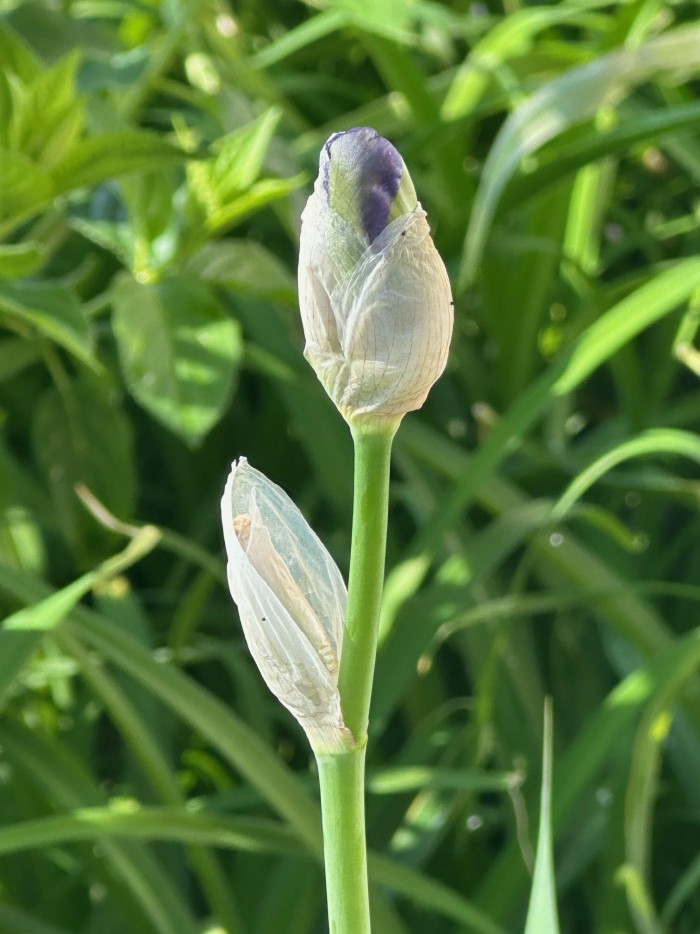
A few days later, when I stood there again, I encountered an entirely different scene. Among the frozen branches, a new vitality was quietly rising.
Buds that had not yet bloomed began to reveal themselves one by one. It was another way life unfolds—without haste, yet never missing its moment.
Some of those buds carried a shade of purple. It was not merely a color, but a depth infused with time and endurance.
Once again, I looked upon them through the eyes of quiet contemplation. In that moment, beauty no longer remained on the surface, but sank into the depth of being.
In the thought of Choi Rip, Jeonggwan is to accept things as they are while awakening to the principles within them. In those purple buds, I sensed a faint glimpse of such truth.
The flowers that endured the cold were no longer the same. Their blooming was not a repetition, but a rebirth into a deeper mode of existence.
Then I realized: nature never truly repeats itself in the same way. Every recovery is the birth of something new.
The gaze of quiet contemplation does not judge. It simply follows the flow and illuminates the essence revealed within change.
Seen in this way, hardship is no longer something to be avoided, but a process through which existence matures.
Human life is no different. We are shaken by countless storms, and at times, we too become frozen.
Yet with the posture of Jeonggwan, we are able to discover deeper meanings even within such moments.
Suffering does not end as mere suffering. It becomes a passage leading us toward a broader understanding.
As I reflected on those flowers, I began to revisit many moments of my own life. Within them, too, there had been unseen “buds.”
Things prepared in waiting, things growing in silence—perhaps these are the true sources of life’s strength.
Nature speaks no words, yet to those who possess the eyes of quiet contemplation, it offers endless stories.
Even today, I quietly observe—within the blooming flowers, and within my own life.
And I softly remind myself: this is the path of Jeonggwan that Choi Rip spoke of—a way of living life with depth.
March 31, 2026
At Sungsunjae (崇善齋)
{Solti}
한국어 번역: https://www.ktown1st.com/blog/VALover/348725
日本語 飜譯: https://www.ktown1st.com/blog/VALover/348727
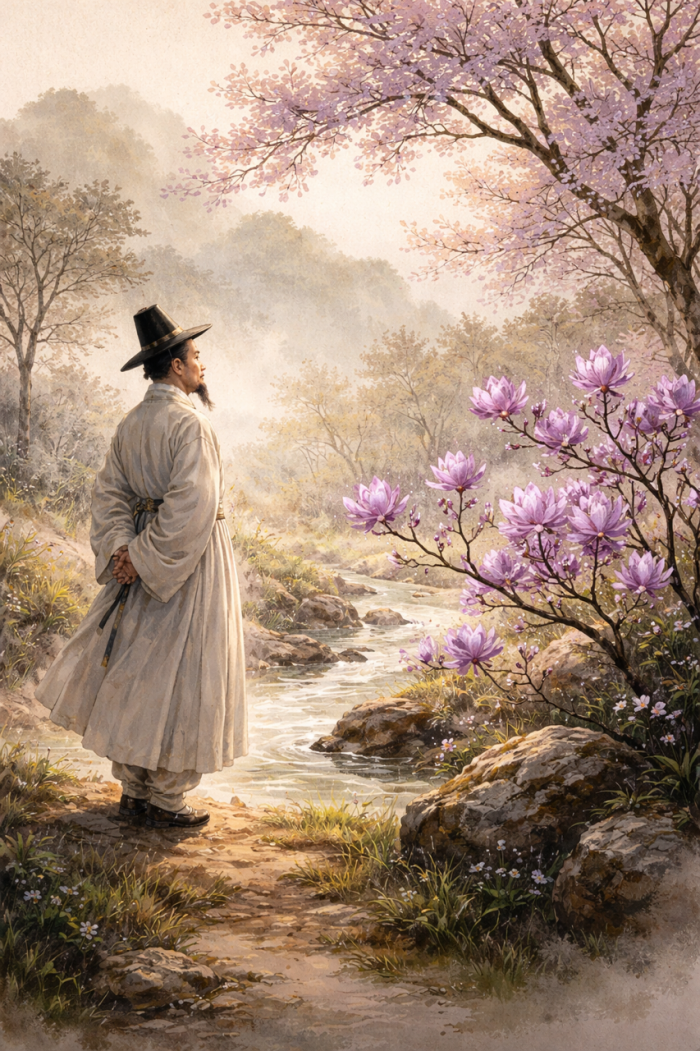
(Painted by ChatGPT)


-
 청송≤전국구 출장안마≥라인:LUP25√청송출장콜걸√청송출장마사지√청송모텔출장알바√청송24시예약상담√
 청송≤전…
청송≤전국구 출장안마≥라인:LUP25√청송출장콜걸√청송출장마사지√청송모텔출장알바√청송24시예약상담√
청송≤전국구 출장안마≥라인:LUP25√청송출장콜걸√청송출장마사지√청송모텔출장알바√청송24시예약상담√ 청송≤전…
-
 도봉구셔츠룸 만남★라인:LUP25★도봉구출장안마★도봉구오일맛사지★도봉구노래방★도봉구유흥업소★도봉구썸오★
도봉구셔츠룸 만남★라인:LUP25★도봉구출장안마★도봉구오일맛사지★도봉구노래방…
도봉구셔츠룸 만남★라인:LUP25★도봉구출장안마★도봉구오일맛사지★도봉구노래방★도봉구유흥업소★도봉구썸오★
도봉구셔츠룸 만남★라인:LUP25★도봉구출장안마★도봉구오일맛사지★도봉구노래방★도봉구유흥업소★도봉구썸오★도봉구셔츠룸 만남★라인:LUP25★도봉구출장안마★도봉구오일맛사지★도봉구노래방…
-
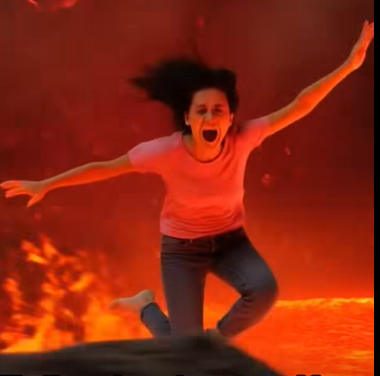 사후세계---죽음이후 이런 영의 세상이 있답니다. 예수님 신약 성경 지시대로 믿고 모두 천국 갑시다.
아래 네이브 블로거 링크입니다. 클릭 하시면 자동 연결 될것 같습니다.http…
사후세계---죽음이후 이런 영의 세상이 있답니다. 예수님 신약 성경 지시대로 믿고 모두 천국 갑시다.
사후세계---죽음이후 이런 영의 세상이 있답니다. 예수님 신약 성경 지시대로 믿고 모두 천국 갑시다.아래 네이브 블로거 링크입니다. 클릭 하시면 자동 연결 될것 같습니다.http…
-
 하와이좋은교회 이야기, HAWAII GOOD CHURCH
https://youtu.be/FJtamYt1SmE?si=VGsR_AUpoz-SBle9
하와이좋은교회 이야기, HAWAII GOOD CHURCH
https://youtu.be/FJtamYt1SmE?si=VGsR_AUpoz-SBle9
-
 프로의 융자노트 리버스 모기지, 무조건 좋을까요? 내 건강과 상황에 맞는 팩트 체크!
안녕하세요. 한국일보 독자 여러분 스티브 양입니다. 한국일보 컬럼에서 은퇴 후 내 집을 든든한 연금으로 활용하는 리버스 모기지의 기본 개념에 대해 알아보았습니다. 상담을 하다 …
프로의 융자노트 리버스 모기지, 무조건 좋을까요? 내 건강과 상황에 맞는 팩트 체크!
안녕하세요. 한국일보 독자 여러분 스티브 양입니다. 한국일보 컬럼에서 은퇴 후 내 집을 든든한 연금으로 활용하는 리버스 모기지의 기본 개념에 대해 알아보았습니다. 상담을 하다 …
-
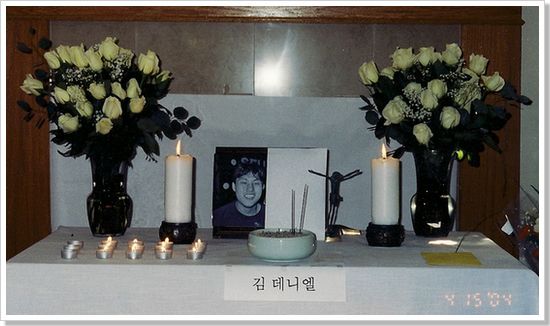 남강아~▶22년♥추모◀대니야!
벌써 이 세상을 떠난 지도 22년이 되는2026년의 4월이 바로 눈앞에 왔는데도아직도 매 해마다 느낌이 다르지 않으니착실한 모습으로 성실하게 살아 왔었던너를 이 지경으로 내몰게 …
남강아~▶22년♥추모◀대니야!
벌써 이 세상을 떠난 지도 22년이 되는2026년의 4월이 바로 눈앞에 왔는데도아직도 매 해마다 느낌이 다르지 않으니착실한 모습으로 성실하게 살아 왔었던너를 이 지경으로 내몰게 …
-
 성동구≤전국구 출장안마≥라인:LUP25√성동구출장콜걸√성동구출장마사지√성동구모텔출장알바√성동구24시예약상담√
 성동…
성동구≤전국구 출장안마≥라인:LUP25√성동구출장콜걸√성동구출장마사지√성동구모텔출장알바√성동구24시예약상담√
성동구≤전국구 출장안마≥라인:LUP25√성동구출장콜걸√성동구출장마사지√성동구모텔출장알바√성동구24시예약상담√ 성동…
-
 [내 마음의 隨筆] 언어 장벽이 사라진 시대, 우리는 더 잘 이해하고 있는가 - 1 of 2
최근 자동번역 기술의 급속한 발전은 우리의 일상을 조용하지만 근본적으로 바꾸고 있다. 특히 X (구 Twitter)에서 도입된 실시간 번역 기능은 서로 다른 언어를 사용하는 사람…
[내 마음의 隨筆] 언어 장벽이 사라진 시대, 우리는 더 잘 이해하고 있는가 - 1 of 2
최근 자동번역 기술의 급속한 발전은 우리의 일상을 조용하지만 근본적으로 바꾸고 있다. 특히 X (구 Twitter)에서 도입된 실시간 번역 기능은 서로 다른 언어를 사용하는 사람…
-
 Prostate Cancer: Symptoms, Treatment & Medicine Guide for Southeast Asia
Prostate cancer is one of the most common cancers affecting men worldwide—and awareness is st…
Prostate Cancer: Symptoms, Treatment & Medicine Guide for Southeast Asia
Prostate cancer is one of the most common cancers affecting men worldwide—and awareness is st…
-
 동작구스웨디시★예약톡:777wa★동작구스웨디시㉿동작구애인만남㉿동작구유흥업소㉿동작구횟수무제한㉿콜걸샵
동작구스웨디시★예약톡:777wa★동작구스웨디시㉿동작구애인만남㉿동작구유흥업소㉿동작구횟수무제한㉿콜걸샵
동작구스웨디시★예약톡:777wa★동작구스웨디시㉿동작구애인만남㉿동작구유흥업소㉿동작구횟수무제한㉿콜걸샵

Ktown1번가 대표이메일 webinfo@koreatimes.com | 업소록 문의 yp@koreatimes.com
Powered by The Korea Times. Copyright ©The Korea Times All rights reserved.