
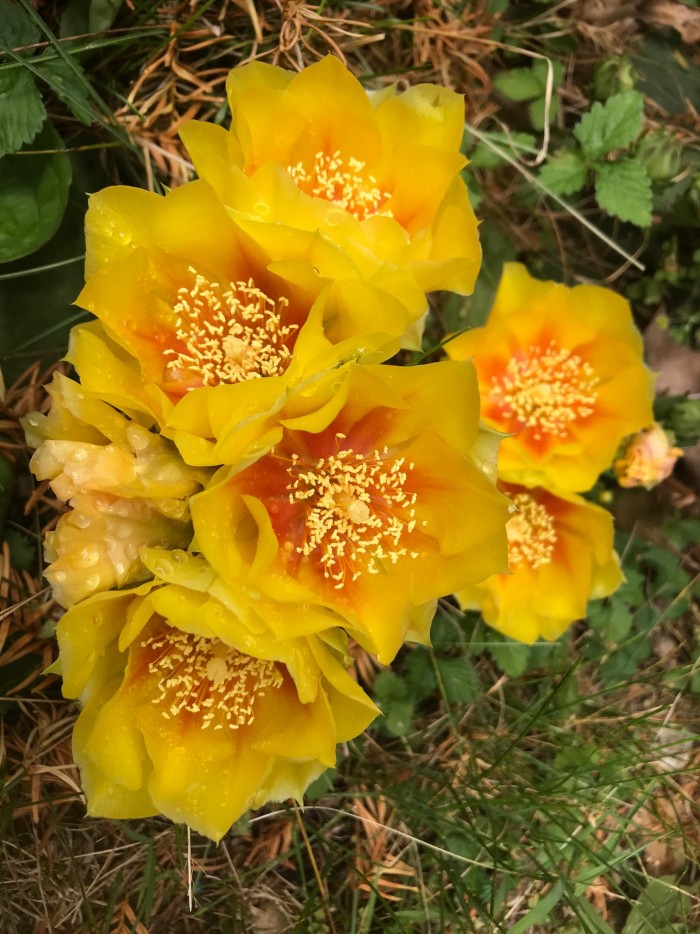


- [An Essay from My Heart] My Parents’ Legacy1292025.12.14
- [내 마음의 隨筆] 簡易集(간이집) – 인공지능 시대의 보물 서적?1912025.12.29
- [Essay in My Heart] Gani-jip (簡易集) — A Treasure Book for the Age of Artificial Intelligence?1582025.12.29
- [내 마음의 隨筆] 통찰력은 어디에서 오는가? - 2 of 21242025.12.30
- [내 마음의 隨筆] 통찰력은 어디에서 오는가? - 1 of 21502025.12.30
[Essay in My Heart] Gani-jip (簡易集) — A Treasure Book for the Age of Artificial Intelligence?
2025.12.29[Essay in My Heart]
Gani-jip (簡易集) — A Treasure Book for the Age of Artificial Intelligence?
In an age when artificial intelligence writes texts, creates images, and even conducts academic analysis, we often find ourselves asking: What, then, is uniquely human creativity? One possible answer can be found in the life and work of a sixteenth-century Joseon intellectual, Gani Choi Rip (崔岦, 1539–1612), and his collected writings, Gani-jip. This classical work, which has traveled across centuries, paradoxically takes on even greater significance in the age of artificial intelligence, earning its place as a true “treasure book.”
Choi Rip was a representative Renaissance-like figure of mid-Joseon Korea. He was a Neo-Confucian scholar and poet, a diplomat and educator, and a practical thinker who grappled deeply with real-world issues. By today’s standards, he was not a specialist confined to a single field, but rather a “convergent intellectual” who moved freely across multiple domains. The more our era emphasizes AI’s strength in rapidly processing vast amounts of information, the more clearly the value of this kind of human intellect stands out.
The thinking embodied in Gani-jip reveals philosophy, literature, politics, and diplomacy not as separate disciplines, but as organically interconnected realms. Choi Rip’s poetry and prose reflect deep introspection into the human inner world, while his scholarly writings reveal a keen sense of responsibility toward society. This was not merely the accumulation of knowledge, but the result of creative thinking that permeated his entire life. Here, too, lies something that artificial intelligence finds difficult to replicate. AI can recombine existing data, but integrative thinking grounded in historical consciousness and human responsibility remains firmly within the human domain.
Particularly noteworthy is Choi Rip’s diplomatic activity. In diplomatic encounters with Ming China, he elevated Joseon’s national stature by intellectually and culturally persuading his counterparts. This was not achieved through linguistic ability or ceremonial knowledge alone, but through a combination of deep understanding of the other civilization, pride in its own culture, and creative judgment suited to each situation. Even today, in an era of global networks and AI-powered translation technologies, this kind of “context-sensitive creativity” remains at the core of human diplomacy.
Choi Rip also demonstrated a pioneering spirit in education and social thought. He believed that scholarship should not remain an abstract pursuit detached from reality, but should move in directions that benefit both individuals and society. This attitude later developed into an intellectual current that laid the groundwork for Silhak (Practical Learning). Gani-jip stands as a record that vividly preserves traces of this early Silhak consciousness and leadership.
Living in the age of artificial intelligence, we must concern ourselves less with “what can be calculated more quickly” and more with “how we can think more meaningfully.” At this point, Gani-jip becomes not merely a classical text, but a guidebook for cultivating creativity. Choi Rip’s mode of thinking begins by breaking down boundaries between disciplines, linking personal self-cultivation with social responsibility, and reading the spirit of the age (Zeitgeist). This resonates closely with why interdisciplinary education, creative problem-solving, and humanistic imagination are emphasized today.
Choi Rip’s life and thought can be organized around three axes: intellectual pursuits, diplomatic achievements, and practical philosophy coupled with social leadership. These were not separate accomplishments, but expressions of a single creative spirit. And that spirit is not confined to a particular era. On the contrary, as technology becomes more advanced, it reemerges through renewed questions about the essence of what it means to be human.
Gani-jip can be considered a treasure of the AI age because it shows us not only what to think, but how to think. Unlike artificial intelligence, which provides quick answers, Choi Rip’s writings leave space for reflection. Within that space, readers are invited to question, connect, and create for themselves.
There is an obvious reason the intellectual legacy left by a Joseon scholar centuries ago deserves to be read again today. The more artificial intelligence becomes a part of everyday life, the more precious the uniquely human creative spirit becomes. And as a quiet yet profound guide that nurtures that spirit, Gani-jip fully deserves to be called a “treasure book” even in our own time.
December 29, 2025
{Solti}
한국어 Translation: https://www.ktown1st.com/blog/VALover/348115



- 1Solar Tra…
- 2부동산위임장
- 3종교
- 4군사
- 5401k
- 6야구
- 7남중국해
- 8ì´ì²ë …
- 9보현스님 요리채녈
- 10원어번역
-
 곡성출장홈타이™20대™라인:LUP25™곡성유흥업소™곡성룸싸룽™곡성여대생출장안마™곡성출장만남후기™
곡성출장…
곡성출장홈타이™20대™라인:LUP25™곡성유흥업소™곡성룸싸룽™곡성여대생출장안마™곡성출장만남후기™
곡성출장홈타이™20대™라인:LUP25™곡성유흥업소™곡성룸싸룽™곡성여대생출장안마™곡성출장만남후기™곡성출장…
-
 청송≤전국구 출장안마≥라인:LUP25√청송출장콜걸√청송출장마사지√청송모텔출장알바√청송24시예약상담√
 청송≤전…
청송≤전국구 출장안마≥라인:LUP25√청송출장콜걸√청송출장마사지√청송모텔출장알바√청송24시예약상담√
청송≤전국구 출장안마≥라인:LUP25√청송출장콜걸√청송출장마사지√청송모텔출장알바√청송24시예약상담√ 청송≤전…
-
 발칙한▨①▧생각들
엄연한 단체 생활을 하는 곳인 시니어아파트에서의 웃지 못할 모습들이 종종눈에 띄는 과정들로서 눈살를 찌푸리게경우가 없지 않는 곳이 시니어아파트다.더군다나 타민족과 뒤엉켜서 살다 …
발칙한▨①▧생각들
엄연한 단체 생활을 하는 곳인 시니어아파트에서의 웃지 못할 모습들이 종종눈에 띄는 과정들로서 눈살를 찌푸리게경우가 없지 않는 곳이 시니어아파트다.더군다나 타민족과 뒤엉켜서 살다 …
-
 바티칸 행사 참여했던 보니씨!
지난 1월1[일]일~8[일]일까지바티칸에서 열린 미국내 성가대대원들중에서 참석한 옥타브가남다르게 좋았던 70명이 모여서새로운 교황님을 축하하기 위해모였다고 하니 정말로 훌륭한 발…
바티칸 행사 참여했던 보니씨!
지난 1월1[일]일~8[일]일까지바티칸에서 열린 미국내 성가대대원들중에서 참석한 옥타브가남다르게 좋았던 70명이 모여서새로운 교황님을 축하하기 위해모였다고 하니 정말로 훌륭한 발…
-
 College Decision Day 5월 1일 임박! 명문대 Waitlist 합격을 위한 마지막 승부수
안녕하세요. 보스턴 에듀케이션입니다.5월 1일(College Decision Day)이 다가오면서, 명문대 대기자 명단(Waitlist) 결과를 두고 애태우는 분들이 많으실 겁니…
College Decision Day 5월 1일 임박! 명문대 Waitlist 합격을 위한 마지막 승부수
안녕하세요. 보스턴 에듀케이션입니다.5월 1일(College Decision Day)이 다가오면서, 명문대 대기자 명단(Waitlist) 결과를 두고 애태우는 분들이 많으실 겁니…
-
 아산≤전국구 출장안마≥라인:LUP25√아산출장콜걸√아산출장마사지√아산모텔출장알바√아산24시예약상담√
 아산≤전…
아산≤전국구 출장안마≥라인:LUP25√아산출장콜걸√아산출장마사지√아산모텔출장알바√아산24시예약상담√
아산≤전국구 출장안마≥라인:LUP25√아산출장콜걸√아산출장마사지√아산모텔출장알바√아산24시예약상담√ 아산≤전…
-
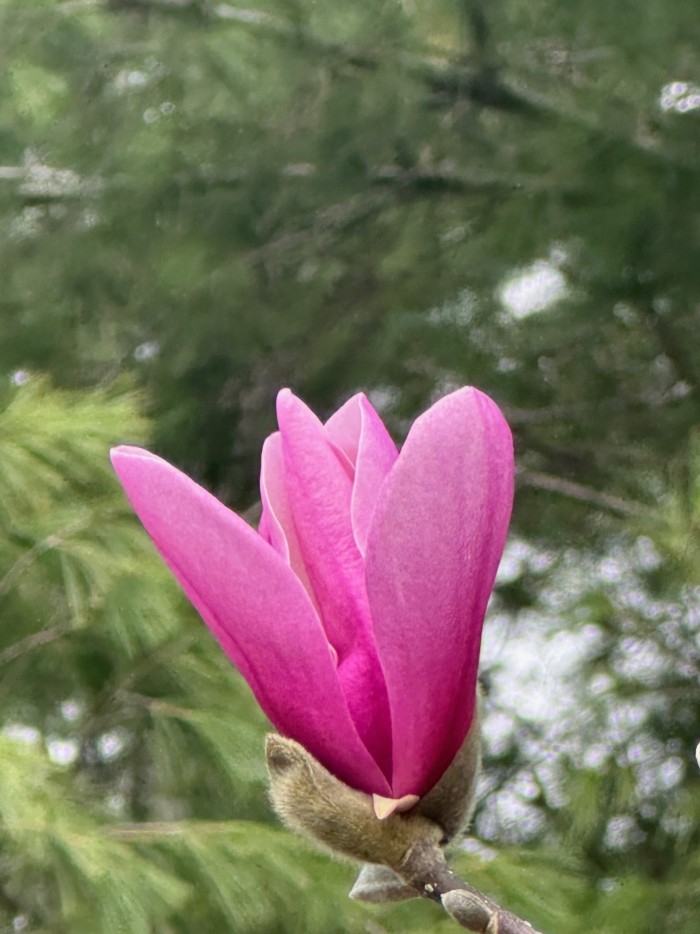 [내 마음의 隨筆] <봄과 겨울 사이의 사색(思索)>
[내 마음의 隨筆]<봄과 겨울 사이의 사색(思索)>어제(昨日), 나는 마당(庭) 을 거닐다 목련(木蓮) 이 우아하게(優雅) 조금씩(漸次) 피어나기 시작하는 모습을 바라보았다. 그…
[내 마음의 隨筆] <봄과 겨울 사이의 사색(思索)>
[내 마음의 隨筆]<봄과 겨울 사이의 사색(思索)>어제(昨日), 나는 마당(庭) 을 거닐다 목련(木蓮) 이 우아하게(優雅) 조금씩(漸次) 피어나기 시작하는 모습을 바라보았다. 그…
-
 미국 한인교회 이야기
https://youtu.be/erhWfwoUeC4?si=gDBcIwy6oe36Cnfz
미국 한인교회 이야기
https://youtu.be/erhWfwoUeC4?si=gDBcIwy6oe36Cnfz
-
 프리웨이 뺑소니사고, 10만달러 보상
피해자는 프리웨이에서 차량을 운행중이었습니다.이 케이스는 상대방 차량이 피해자 차량을 추돌사고를 낸 뒤 도주한 뺑소니 사고로, 프리웨이에서 발생한 사고라 사고가 크게 났습니다.이…
프리웨이 뺑소니사고, 10만달러 보상
피해자는 프리웨이에서 차량을 운행중이었습니다.이 케이스는 상대방 차량이 피해자 차량을 추돌사고를 낸 뒤 도주한 뺑소니 사고로, 프리웨이에서 발생한 사고라 사고가 크게 났습니다.이…
-
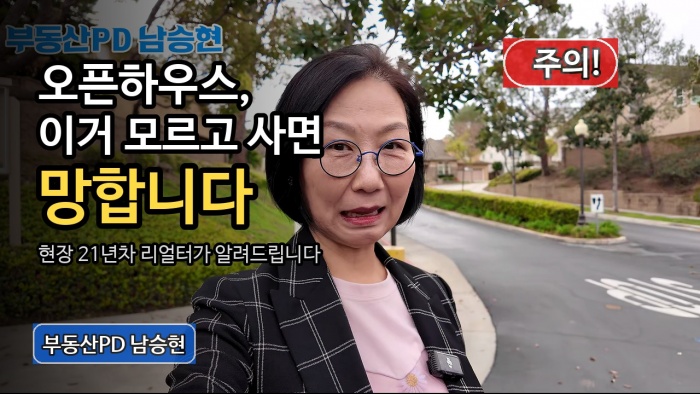 미국 주택 구매, 오픈하우스에서 봐야 할 것 vs 피해야 할 것
봄기운이 시작되면, 부동산 시장에도 활기가 생기게 됩니다.주택매매를 고려중이거나, 시장조사를 하는 등으로 주말마다 거리의 오픈 하우스 사인을 따라서 집구경, 동네 구경을 합…
미국 주택 구매, 오픈하우스에서 봐야 할 것 vs 피해야 할 것
봄기운이 시작되면, 부동산 시장에도 활기가 생기게 됩니다.주택매매를 고려중이거나, 시장조사를 하는 등으로 주말마다 거리의 오픈 하우스 사인을 따라서 집구경, 동네 구경을 합…

Ktown1번가 대표이메일 webinfo@koreatimes.com | 업소록 문의 yp@koreatimes.com
Powered by The Korea Times. Copyright ©The Korea Times All rights reserved.