
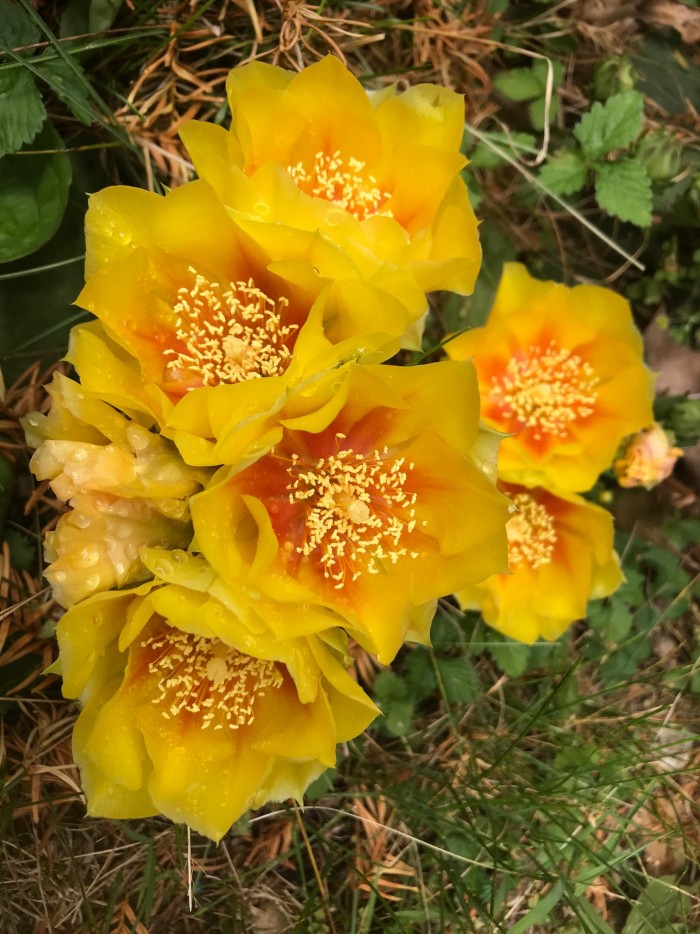


- [내 마음의 隨筆] 반지는 약속이 아니고, 신의는 습관이다 - 1 of 21852026.01.12
- [내 마음의 隨筆] 반지는 약속이 아니고, 신의는 습관이다 - 2 of 21262026.01.12
- [An Essay from My Heart] A Ring Is Not a Promise; Fidelity Is a Habit1152026.01.12
- [An Essay from My Heart] How to Remain Human Before a Work of Art942026.01.12
- [내 마음의 隨筆] 작품 앞에서 인간으로 남는 법1152026.01.12
[An Essay from My Heart] A Ring Is Not a Promise; Fidelity Is a Habit
2026.01.12[An Essay from My Heart]
A Ring Is Not a Promise; Fidelity Is a Habit
Many people wear rings all the time.
Wedding rings in particular are treated as objects that speak volumes without words. When asked why they wear them constantly, most people answer, “To honor my fidelity to my spouse.” It is a response that sounds correct—and persuasive.
Yet I often hesitate at that answer.
Between the fact of wearing a ring and the claim of keeping fidelity lies a distance deeper than one might expect.
Fidelity is not, by nature, an object.
When Confucius spoke of xin (信), he did not describe it as ornament or declaration. Fidelity meant a long-standing alignment between words and actions. In other words, fidelity is not a momentary resolution but an accumulation over time—not a single promise, but the result of countless repeated choices.
Seen in this light, a ring is not proof of fidelity but closer to a pledge toward it. The problem is that pledging is easy, while endurance is hard. Look around, and one sees many people wearing rings, yet far fewer who carry their relationships to the end. Family structures change frequently, and marriage is often treated as a revisable contract.
American society places great value on freedom.
Individual emotions and choices are to be respected, and there is a widely shared belief that unhappy relationships need not be forced to continue. This is undoubtedly one of the society’s strengths. But when such freedom lightens the weight of fidelity, promises gradually to remain as declarations only.
Here, fidelity is no longer understood as “keeping something to the end,” but is reduced to “being sincere for now.” As long as emotions endure, fidelity is valid; when emotions change, fidelity expires. As a result, the ring stays in the same place, while the marriage itself remains in constant motion.
At this point, I find myself asking:
Can fidelity truly depend on emotion? Or must it be a will that transcends emotion? In the humanistic tradition, fidelity has always leaned toward the latter. It was not something one kept because it felt good, but something one endured because one had chosen to keep it.
True fidelity is not easily visible.
It resides not in a gleaming ring, but in the actions that remain when words grow fewer. Not in relationships without conflict, but in relationships that have passed through conflict. It lives in quiet resolve—the determination to bear responsibility without surrendering freedom.
That is why I no longer judge fidelity by the presence of a ring.
Instead, I look at time:
How long one has continued to choose the same person,
how often one has reclaimed a relationship in the name of responsibility.
A ring can be removed and disappear.
Fidelity cannot.
It remains as a daily habit and, in time, becomes a person’s character.
And perhaps what we should truly fear is not losing a ring, but losing that habit itself.
January 12, 2026
At Sungsunjae (崇善齋)
{Solti}
한국어 번역: https://www.ktown1st.com/blog/VALover/348206


- 1골프
- 2루시
- 3독일
- 4ERVisitDa…
- 5미국대사
- 6겸사 겸사▶◀묘지…
- 7남강아~▶22년♥…
- 8비숙련취업이민식당
- 9피부클리닉
- 10거짓선지자
-
 안양유료출장★♥예약톡:777wa★안양폐이만남㉿안양20대 알바생 대기㉿안양출장마사지㉿안양셔츠루ㅁ
안양유료출장★♥예약톡:777wa★안양폐이만남㉿안양20대 알바생 대기㉿안양출장마사지㉿안양셔츠루ㅁ
안양유료출장★♥예약톡:777wa★안양폐이만남㉿안양20대 알바생 대기㉿안양출장마사지㉿안양셔츠루ㅁ
-
 곡성출장홈타이™20대™라인:LUP25™곡성유흥업소™곡성룸싸룽™곡성여대생출장안마™곡성출장만남후기™
곡성출장…
곡성출장홈타이™20대™라인:LUP25™곡성유흥업소™곡성룸싸룽™곡성여대생출장안마™곡성출장만남후기™
곡성출장홈타이™20대™라인:LUP25™곡성유흥업소™곡성룸싸룽™곡성여대생출장안마™곡성출장만남후기™곡성출장…
-
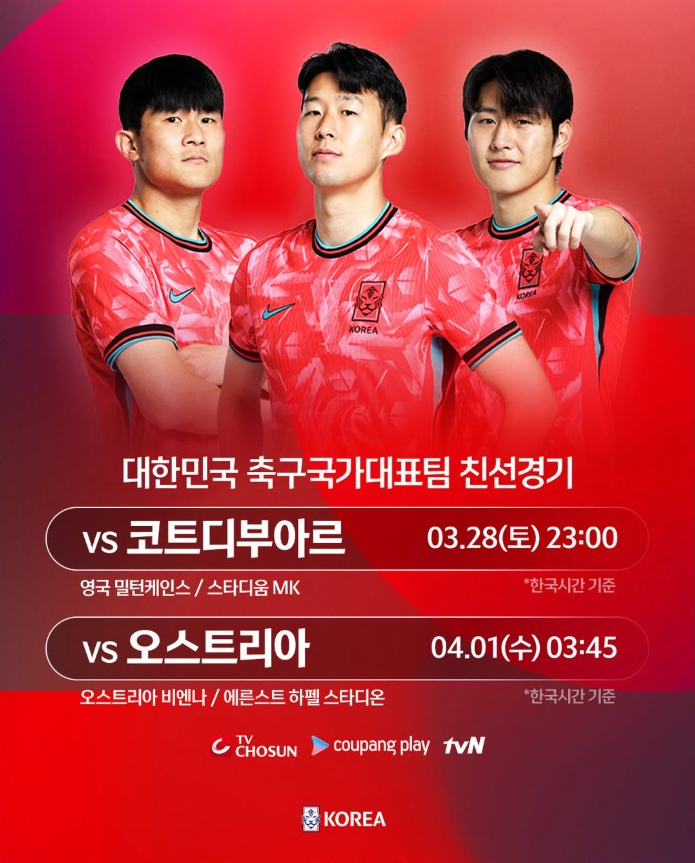 2026년 03월 28일 대한민국 코트디부아르 중계 시청하기
⬇ 2026년 03월 28일 대한민국 코트디부아르 중계시청하기???? https://m.site.naver.com/246i3???? 위치: 영국 밀턴킨스 스타디움 MK (Stad…
2026년 03월 28일 대한민국 코트디부아르 중계 시청하기
⬇ 2026년 03월 28일 대한민국 코트디부아르 중계시청하기???? https://m.site.naver.com/246i3???? 위치: 영국 밀턴킨스 스타디움 MK (Stad…
-
 잘 가요~! 그 가족들!
이미 그 가족들은 대략 3주 전에 모두 제 2의 생업 장소로 이동하여 생활하고얼마 남지 않은 잔여 시간을 위해 나온그 가족의 엄마는 잠간씩 일터에 나와있기는 하지만 입주자들의 모…
잘 가요~! 그 가족들!
이미 그 가족들은 대략 3주 전에 모두 제 2의 생업 장소로 이동하여 생활하고얼마 남지 않은 잔여 시간을 위해 나온그 가족의 엄마는 잠간씩 일터에 나와있기는 하지만 입주자들의 모…
-
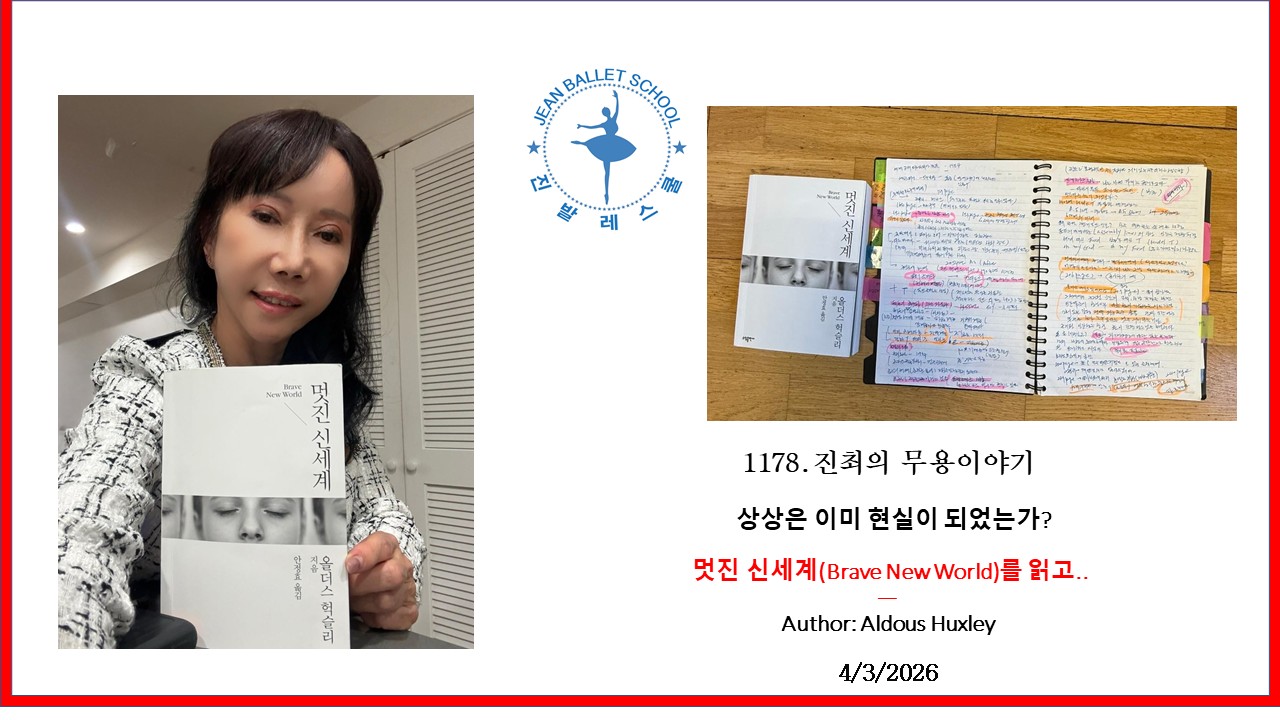 1178. 상상은 이미 현실이 되었는가? — 멋진 신세계(Brave New World)를 읽고..
발표회를 끝내고 나서야 비로소 한숨 돌릴 여유가 생겼다. 그동안 바쁘다는 핑계로 미뤄두었던 책을 이제서야 펼쳐본다. 독서 모임에서 한 달 전에 읽었어야 할 책, 멋진 신세계(Br…
1178. 상상은 이미 현실이 되었는가? — 멋진 신세계(Brave New World)를 읽고..
발표회를 끝내고 나서야 비로소 한숨 돌릴 여유가 생겼다. 그동안 바쁘다는 핑계로 미뤄두었던 책을 이제서야 펼쳐본다. 독서 모임에서 한 달 전에 읽었어야 할 책, 멋진 신세계(Br…
-
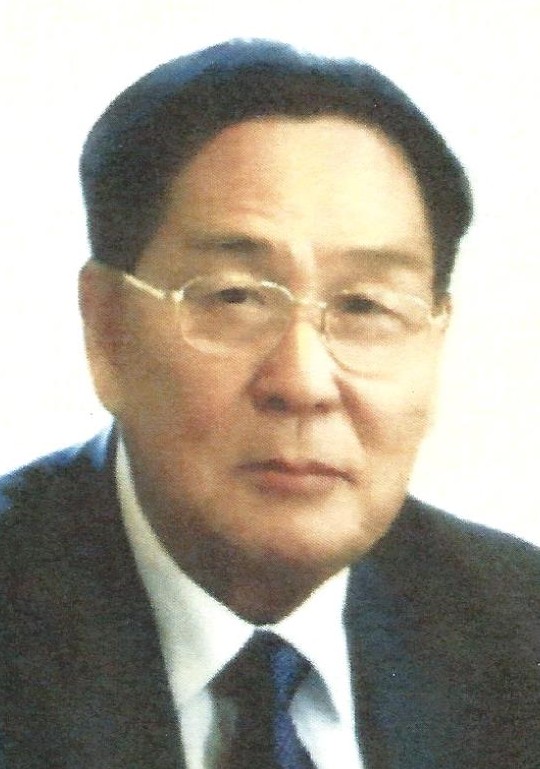 故박철순회장님▶◀추모 8년
OC한미노인회 제26/27대 회장역임하셨던 故박철순회장님의 8년 추모돌아오는 2월24[화]일이 되시겠다.물론 처음부터 끝나는 날까지도또한 그 이후에도 찾고 또 가본그 묘지에는 혈…
故박철순회장님▶◀추모 8년
OC한미노인회 제26/27대 회장역임하셨던 故박철순회장님의 8년 추모돌아오는 2월24[화]일이 되시겠다.물론 처음부터 끝나는 날까지도또한 그 이후에도 찾고 또 가본그 묘지에는 혈…
-
 바티칸 행사 참여했던 보니씨!
지난 1월1[일]일~8[일]일까지바티칸에서 열린 미국내 성가대대원들중에서 참석한 옥타브가남다르게 좋았던 70명이 모여서새로운 교황님을 축하하기 위해모였다고 하니 정말로 훌륭한 발…
바티칸 행사 참여했던 보니씨!
지난 1월1[일]일~8[일]일까지바티칸에서 열린 미국내 성가대대원들중에서 참석한 옥타브가남다르게 좋았던 70명이 모여서새로운 교황님을 축하하기 위해모였다고 하니 정말로 훌륭한 발…
-
 곡성≤전국구 출장안마≥라인:LUP25√곡성출장콜걸√곡성출장마사지√곡성모텔출장알바√곡성24시예약상담√
 곡성≤전…
곡성≤전국구 출장안마≥라인:LUP25√곡성출장콜걸√곡성출장마사지√곡성모텔출장알바√곡성24시예약상담√
곡성≤전국구 출장안마≥라인:LUP25√곡성출장콜걸√곡성출장마사지√곡성모텔출장알바√곡성24시예약상담√ 곡성≤전…
-
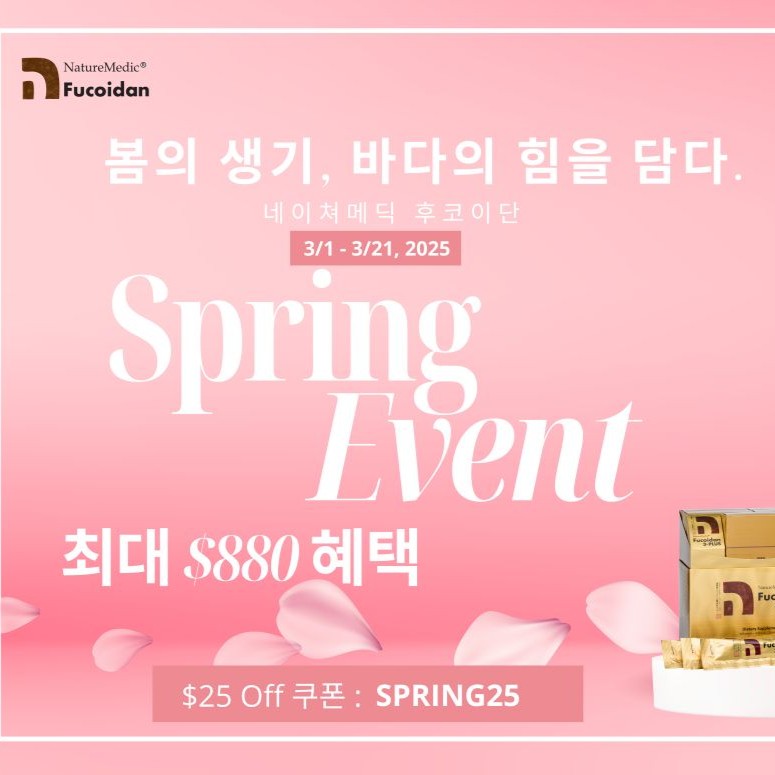 네이쳐메딕 후코이단 최대 $880 혜택 Spring Event Sale 3/1-3/21
네이쳐메딕 후코이단은 2017년부터 2023년까지 7년 연속으로 몽드 셀렉션 금상을 수상하며, 제품의 품질과 우수성을 인정받았습니다. 네이쳐메딕 후코이단에 사용된 미역귀(메카브)…
네이쳐메딕 후코이단 최대 $880 혜택 Spring Event Sale 3/1-3/21
네이쳐메딕 후코이단은 2017년부터 2023년까지 7년 연속으로 몽드 셀렉션 금상을 수상하며, 제품의 품질과 우수성을 인정받았습니다. 네이쳐메딕 후코이단에 사용된 미역귀(메카브)…
-
 더욱 편리해진 DMV
아침부터 줄을 내내 서야 하는 곳~그까짓 것 하나에도 열과 성의를보여야 하는 관공서의 제 일 순위?DMV의 업무가 이제는 조금만 관심갖고 정신적으로 공부를 하게 되면예전에 비해서…
더욱 편리해진 DMV
아침부터 줄을 내내 서야 하는 곳~그까짓 것 하나에도 열과 성의를보여야 하는 관공서의 제 일 순위?DMV의 업무가 이제는 조금만 관심갖고 정신적으로 공부를 하게 되면예전에 비해서…

Ktown1번가 대표이메일 webinfo@koreatimes.com | 업소록 문의 yp@koreatimes.com
Powered by The Korea Times. Copyright ©The Korea Times All rights reserved.