
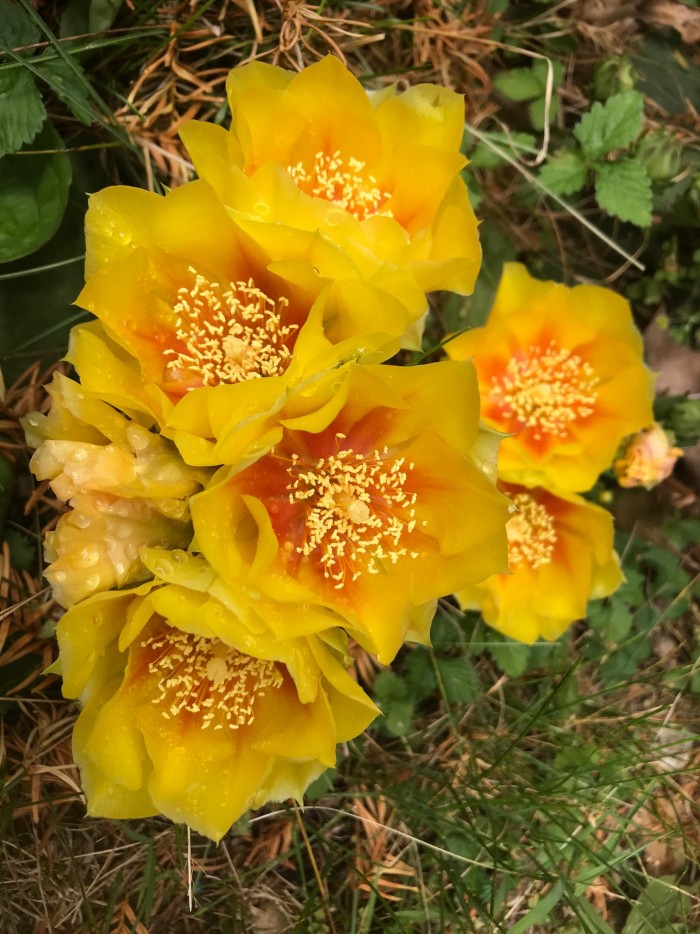


- [An Essay from My Heart] Hope Blossoming in the Spring Snow972026.02.22
- [내 마음의 隨筆] <두 달, 관광이 아니라 전환점으로>1802026.02.24
- [An Essay from My Heart] Two Months: Not a Tour, but a Turning Point1572026.02.24
- [An Essay from My Heart] The Wisdom of Distinguishing Between the Public and the Private1022026.02.24
- [내 마음의 隨筆] <공과 사를 구분하는 지혜>1472026.02.24
[An Essay from My Heart] Two Months: Not a Tour, but a Turning Point
2026.02.24[An Essay from My Heart]
One Hour of Questions That Turn Short-Term Study Abroad from an “Experience” into an “Asset”
Yesterday, at the invitation of the Center for Global Engagement at James Madison University, I had the pleasure of spending an engaging hour with 23 health-related majors from Kyung Dong University in Korea who are participating in a two-month study abroad program in the United States. During that time, we explored several practical themes and held a brief but meaningful discussion. I would like to share a summary of that conversation here.
Two months. Long, if you measure them in days. Brief, if you measure them in memory. I spoke with these students about how this brief period could become not merely a “trip,” but a genuine turning point. There were no grand theories—only practical questions. I began with this: “Do you realize that how you choose to spend these precious two months in the United States could profoundly shape the direction of your life?” I could see their expressions begin to change.
Survival Is Strategy
We began not with “exciting opportunities,” but with safety and daily life. American individualism, unfamiliar silences, party culture, alcohol, and legal responsibility, how to respond if approached by police, and even the tone of an email to a professor. Although they are health majors, what they will immediately encounter is not the U.S. healthcare system, but dorm kitchens, classrooms, and campus culture.
I told them: “Here, clarity matters more than subtle social awareness. If you remain silent, you are not seen as polite—you may be seen as unprepared.”
In short-term programs, the greatest risk is not ignorance, but vague overconfidence. The purpose of this first session was simple: reduce fear and lower the cost of avoidable mistakes.
Logic Over the “Correct Answer”
Our second topic focused on the mindset of the American classroom. Korean students are often exceptionally well-trained in identifying the “correct answer.” But here, the questions are different:
“Why do you think so?”
“What evidence supports your claim?”
“Is there another perspective?”
For students in health-related fields, this shift is especially critical. Medicine and public health stand not on memorized answers, but on evidence-based thinking. I emphasized a simple transformation: Correct Answer → Logical Argument. A few students nodded quietly—a small but meaningful signal of understanding. Participation in American classrooms is not about courage alone; it is about preparation. And silence is not always humility; sometimes it is a missed opportunity.
Turning Two Months into an Asset
The third message was more pragmatic: “How will you turn this experience into more than a single line on your résumé?” Many students see short-term study abroad as a credential. I gently challenged that assumption. The true asset is not the number of lines on a résumé, but a shift in perspective: how you converse with professors, how you ask questions, how you understand networking—not as exchanging business cards, but as building genuine relationships. Healthcare is about people. Cultural sensitivity and communication skills can be just as important as technical medical knowledge. Experiencing a different system for two months is not simply overseas exposure—it is an expansion of one’s intellectual horizon. I left them with a single assignment: “Describe in one sentence how these two months have changed you.” If they can answer that question sincerely, the program will already have been a success.
Why This Orientation Matters
Short-term stays abroad are powerful—but volatile. Without preparation, they become tourism. With intention, they become transformation. For health majors in particular, this matters deeply. Public health transcends borders. Healthcare systems are rooted in culture. To encounter another country’s educational style and cognitive framework is not merely to improve one’s English; it is to learn an entirely different approach to solving problems. This one-hour session was not about transferring information. It was about slightly shifting direction. Two months is, in truth, too short to fully understand America. But when direction changes, even a brief period can dramatically alter the coordinates of a life. By the end of the session, their eyes seemed brighter filled with curiosity rather than uncertainty. I quietly hope that during these two months, they will live not merely as “visiting students,” but as observers and active participants.
In addition, I introduced them to practical ways to use the latest artificial intelligence and digital tools in both academic work and daily life—emphasizing ethical use and critical thinking. I briefly surveyed various tools and guided each student in installing a powerful generative AI application on their smartphones so they could begin experimenting immediately.
Finally, drawing from my own years living in the United States—first as an international student and later as an engineer and professor—I shared practical insights I had learned through experience, as well as selected themes from books I have written over the years, organized around the three core topics discussed. And I am convinced of this: When these ambitious students complete their programs and cross the vast Pacific Ocean back to Korea, those two months will no longer feel like just two months. They will have become not merely an experience, but ‘a new perspective.’ ***
February 24, 2026
At Sungsunjae (崇善齋)
{Solti}
한국어 번역: https://www.ktown1st.com/blog/VALover/348475


- 1Constanci…
- 2jeonggwan
- 3보톡스
- 4겨울
- 5Rice harv…
- 6미국건강보험
- 7Philosoph…
- 8불교관련영화
- 9메디케어
- 10Osimertin…
-
 명문대가 로봇공학(Robotics) 특활에 열광하는 진짜 이유
보스턴 에듀케이션 입니다. "앞으로 우리 아이들은 무엇을 어떻게 준비해야 되요?" 학부모님들께 가장 많이 듣는 질문입니다. 불과 몇 년 전만 해도 답은 꽤 단순했습니다. 완벽한 …
명문대가 로봇공학(Robotics) 특활에 열광하는 진짜 이유
보스턴 에듀케이션 입니다. "앞으로 우리 아이들은 무엇을 어떻게 준비해야 되요?" 학부모님들께 가장 많이 듣는 질문입니다. 불과 몇 년 전만 해도 답은 꽤 단순했습니다. 완벽한 …
-
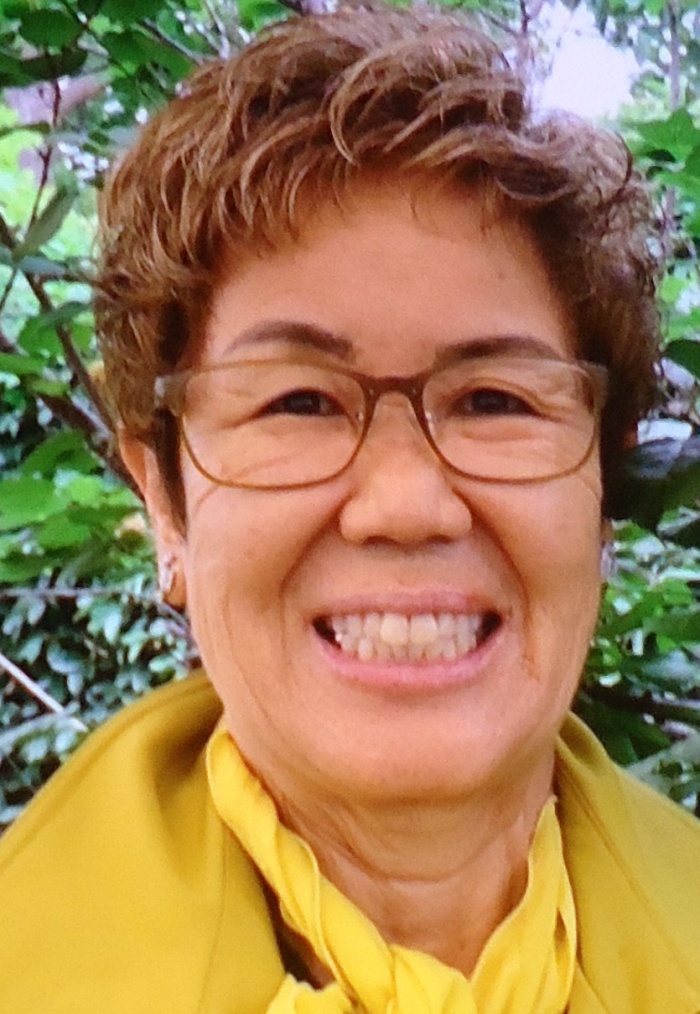 원상 회복 기원!
우리가 알고 지낸 지 1984년도에!그러고 보니 어느새 42년 되었나?이남일녀의 어머니이시며 왕성한교회생활에서도 언제나 긍정적인모습으로 일관해온 우리의 마리아바로 내일(4/2)은…
원상 회복 기원!
우리가 알고 지낸 지 1984년도에!그러고 보니 어느새 42년 되었나?이남일녀의 어머니이시며 왕성한교회생활에서도 언제나 긍정적인모습으로 일관해온 우리의 마리아바로 내일(4/2)은…
-
 [An Essay from My Heart] A Meeting of Two Renaissance-Type Figures of East and West
[An Essay from My Heart]In the long flow of history, remarkably similar figures sometimes appear ev…
[An Essay from My Heart] A Meeting of Two Renaissance-Type Figures of East and West
[An Essay from My Heart]In the long flow of history, remarkably similar figures sometimes appear ev…
-
 60세 이상 시니어들을 위한 저렴한 집내외부 및 전기 수리 서비스
MK Electric에서 지역사회 시니어들이 안전하고 편안하며 오랫동안 독립적으로 생활하실 수 있도록 무료 가정 안전 점검 서비스를 제공합니다. 조명 개선, 일상생활 편의성 향상…
60세 이상 시니어들을 위한 저렴한 집내외부 및 전기 수리 서비스
MK Electric에서 지역사회 시니어들이 안전하고 편안하며 오랫동안 독립적으로 생활하실 수 있도록 무료 가정 안전 점검 서비스를 제공합니다. 조명 개선, 일상생활 편의성 향상…
-
 유태교 유월절 식사 초대 받은 이야기 (April 25, 2026)
조정래 목사의 세상사는 이야기 (2026) …
유태교 유월절 식사 초대 받은 이야기 (April 25, 2026)
조정래 목사의 세상사는 이야기 (2026) …
-
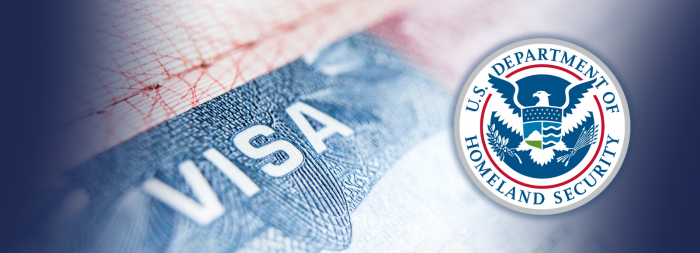 입국금지 사면(Waiver)과 재입국 허가(I-212)
미국 입국이 거절되거나 추방·긴급추방(Expedited Removal)을 받은 경우, 사면(Waiver) 또는 …
입국금지 사면(Waiver)과 재입국 허가(I-212)
입국금지 사면(Waiver)과 재입국 허가(I-212)미국 입국이 거절되거나 추방·긴급추방(Expedited Removal)을 받은 경우, 사면(Waiver) 또는 …
-
 곡성출장홈타이™20대™라인:LUP25™곡성유흥업소™곡성룸싸룽™곡성여대생출장안마™곡성출장만남후기™
곡성출장…
곡성출장홈타이™20대™라인:LUP25™곡성유흥업소™곡성룸싸룽™곡성여대생출장안마™곡성출장만남후기™
곡성출장홈타이™20대™라인:LUP25™곡성유흥업소™곡성룸싸룽™곡성여대생출장안마™곡성출장만남후기™곡성출장…
-
 영광셔츠룸 만남★라인:LUP25★영광출장안마★영광오일맛사지★영광노래방★영광유흥업소★영광썸오★
영광셔츠룸 만남★라인:LUP25★영광출장안마★영광오일맛사지★영광노래방★영광유흥업소★영광…
영광셔츠룸 만남★라인:LUP25★영광출장안마★영광오일맛사지★영광노래방★영광유흥업소★영광썸오★
영광셔츠룸 만남★라인:LUP25★영광출장안마★영광오일맛사지★영광노래방★영광유흥업소★영광썸오★영광셔츠룸 만남★라인:LUP25★영광출장안마★영광오일맛사지★영광노래방★영광유흥업소★영광…
-
 잊을 수 없는▶③◀고마웠던 분들
어찌 이 부부를 잊을 수가 있을까?고단한 삶안에서도 용기를 잃지도않고 굳건한 마음만으로 견디면서지금까지도 행할 수 있음이 대견해지니 진국같은 신앙안에서 알게 된두 분을 세 번째 …
잊을 수 없는▶③◀고마웠던 분들
어찌 이 부부를 잊을 수가 있을까?고단한 삶안에서도 용기를 잃지도않고 굳건한 마음만으로 견디면서지금까지도 행할 수 있음이 대견해지니 진국같은 신앙안에서 알게 된두 분을 세 번째 …
-
 청송≤전국구 출장안마≥라인:LUP25√청송출장콜걸√청송출장마사지√청송모텔출장알바√청송24시예약상담√
 청송≤전…
청송≤전국구 출장안마≥라인:LUP25√청송출장콜걸√청송출장마사지√청송모텔출장알바√청송24시예약상담√
청송≤전국구 출장안마≥라인:LUP25√청송출장콜걸√청송출장마사지√청송모텔출장알바√청송24시예약상담√ 청송≤전…

Ktown1번가 대표이메일 webinfo@koreatimes.com | 업소록 문의 yp@koreatimes.com
Powered by The Korea Times. Copyright ©The Korea Times All rights reserved.