


- [私の心の随筆] <三大陸のルネサンス的人間とAI時代の創造的思考>802026.03.07
- [내 마음의 隨筆] <정관(靜觀)으로 바라본 봄꽃(春花)의 신비(神祕)>1972026.03.08
- [An Essay from My Heart] The Mystery of Spring Flowers Seen Through Quiet Contemplation1402026.03.08
- [내 마음의 隨筆] <봄과 겨울 사이의 사색(思索)>1342026.03.12
- [私の心の随筆] <静観で見る春の花の神秘>1182026.03.08
[An Essay from My Heart] The Mystery of Spring Flowers Seen Through Quiet Contemplation
2026.03.08[An Essay from My Heart]
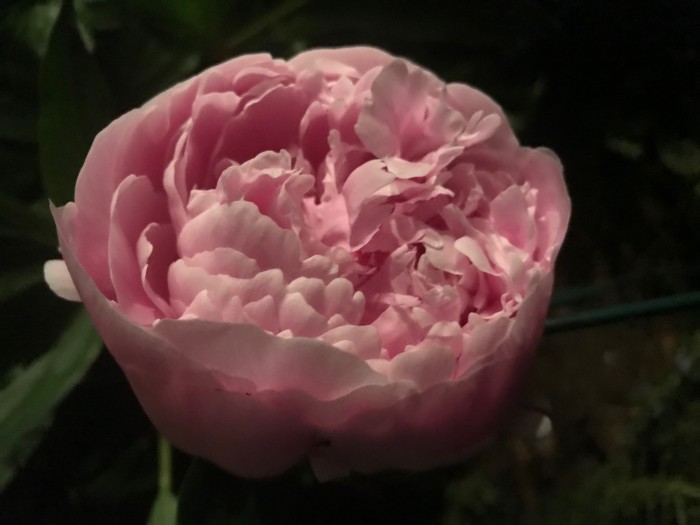
On an early spring morning, when traces of winter still linger in the air, I often pause to look at the small flowers blooming in the yard and along the roadside. If we simply pass by, these scenes remain unnoticed. But when we quiet our minds and look carefully, nature always begins to tell a deeper story. The concept of quiet contemplation—jeonggwan (靜觀)—spoken of by the Joseon scholar Choi Rip becomes especially meaningful at such moments. Nature does not speak, yet to those who observe in stillness, it constantly conveys profound meanings.
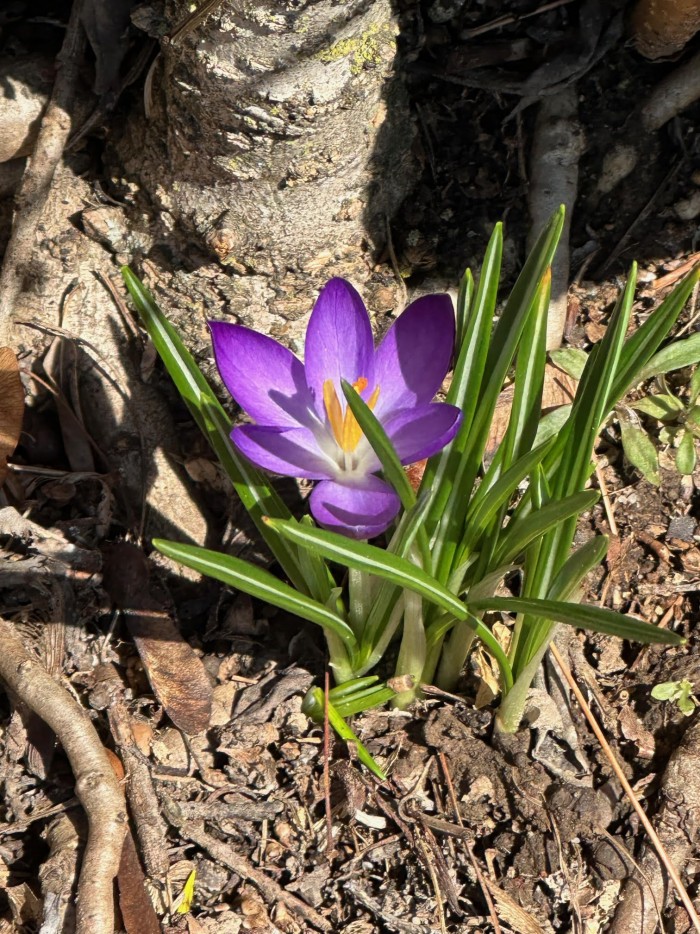
The first flower to appear is the crocus. At a time when the ground has not yet fully thawed, a small, neat blossom pushes its way up through the soil. The purple or yellow petals may look delicate, yet they contain an astonishing vitality. Having endured the harsh winter, the crocus is the first to reveal itself to the world. It stands as a symbol of resilience and strength in nature. Watching a crocus, one is reminded that human life also continues through this quiet form of perseverance.
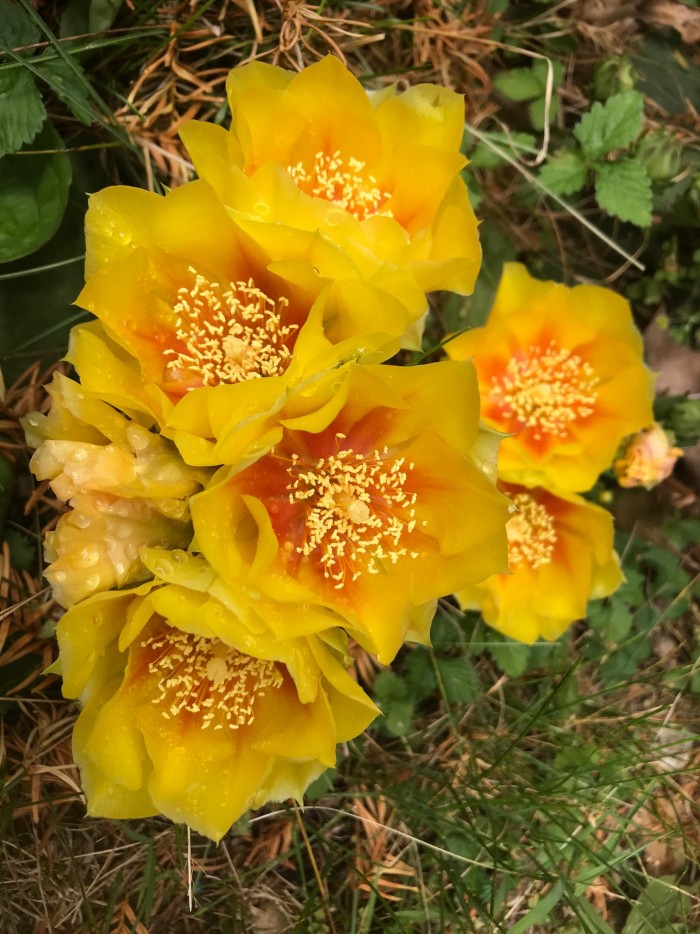
After the crocus opens the gate of spring, the daffodil soon lifts its head. Emerging between long green leaves, the yellow flower carries a clear and graceful beauty. Rather than dazzling brilliance, the daffodil embodies a sense of purity and freshness. Gently swaying in the breeze, it seems as if nature itself is quietly revealing its inner clarity. Seen through the calm perspective of quiet contemplation, the daffodil reminds us of the purity and moderation that human hearts should aspire to maintain.
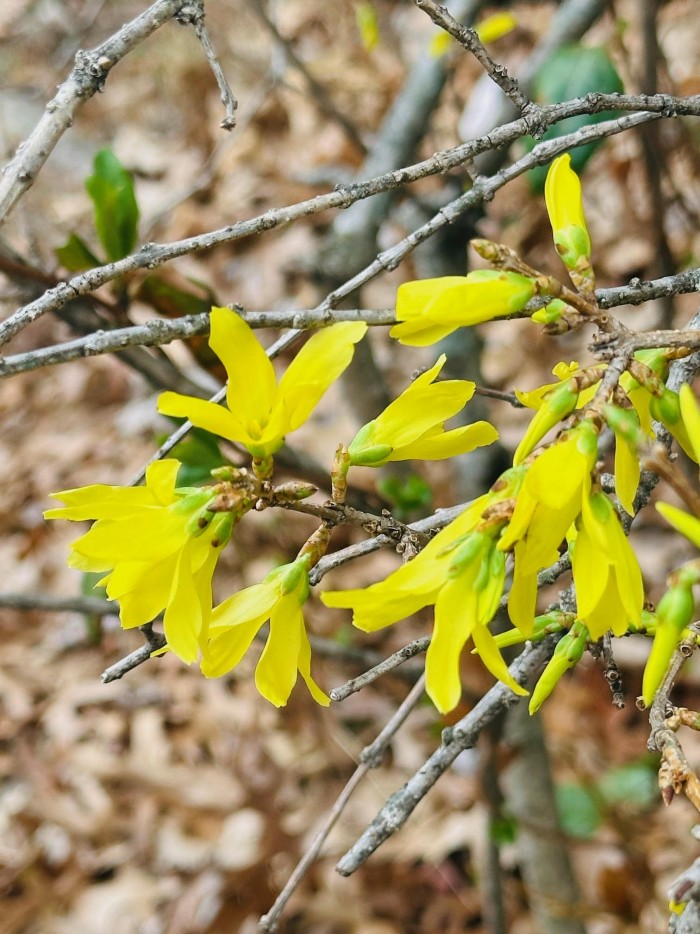
As a little more time passes, the hills and fields suddenly become washed in bright yellow. This is the forsythia. The blossoms burst open along every branch as if announcing a festival of spring. Their vivid presence displays a radiant splendor and brilliance. Breaking the long silence of winter, the golden waves brighten not only the landscape but also the hearts of those who see them. Nature sometimes reveals itself in gentle simplicity and sometimes in vibrant brilliance, marking the rhythm of the seasons.
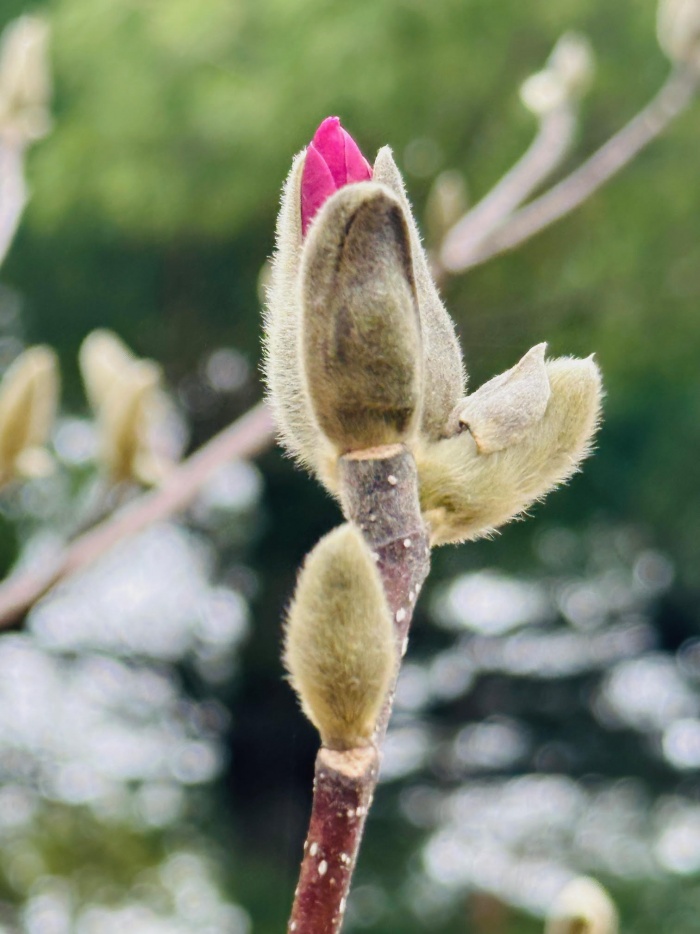
Finally, the magnolia blooms with a dignity that resembles a crown. Its large, thick petals open toward the sky, creating a presence unlike any other flower. Rather than mere brightness, the magnolia evokes a sense of nobility and grace. Blooming quietly at the ends of branches, it seems as if nature is solemnly adorning the climax of spring.
Having observed these flowers over several years, I have come to appreciate the remarkable harmony of nature. The resilience of the crocus, the purity of the daffodil, the brilliance of the forsythia, and the nobility of the magnolia appear one after another in time, composing a long poem called spring. Their colors and shapes are all different, yet their differences come together within a single harmonious order.
The attitude of jeonggwan—quiet contemplation—spoken of by the scholars of the Joseon era may be precisely this: the mindset that allows us to perceive the hidden order of nature. If we hurry past, we see nothing. But when we pause and observe calmly, we begin to realize that every phenomenon in nature contains a deeper meaning. The order in which flowers bloom, the harmony of colors, and the diversity of shapes are not random events but expressions of nature’s subtle providence.
Looking at spring flowers, I am reminded that human life resembles them in many ways. Some people begin their journey with the resilience of the crocus. Others illuminate the world with the pure spirit of the daffodil. Some bring energy and vitality like the brilliant forsythia, while others complete their lives with the quiet dignity of the magnolia. Though different in form, they all come together to create the springtime of human society.
Thus, the act of observing spring flowers becomes more than a simple appreciation of nature; it becomes a moment of quiet reflection. When we face nature with the eyes of quiet contemplation, we finally discover the beauty, mystery, and wisdom hidden within it. Each spring, as the flowers bloom again, they silently remind us of the profound order of nature and the deeper meaning of life. ***
March 8, 2026
At Sungsunjae (崇善齋)
{Solti}
한국어 번역: https://www.ktown1st.com/blog/VALover/348582
日本語 飜譯: https://www.ktown1st.com/blog/VALover/348584


-
 Buy Kpods Vape, buy Etomidate Pods , order Etomidate,space oil ,CAS: 33125-97-2
Buy Kpods Vape, buy Etomidate Pods in New Zealand - order Etomidate,space oil ,CAS: 33125-97-2 ,Eto…
Buy Kpods Vape, buy Etomidate Pods , order Etomidate,space oil ,CAS: 33125-97-2
Buy Kpods Vape, buy Etomidate Pods in New Zealand - order Etomidate,space oil ,CAS: 33125-97-2 ,Eto…
-
 53년전 빌리 그레함 목사님 여의도 100만 집회 장면.
네이브 블로거에 53년전 서울 여의도 516 광장 같은데 전국에서 기독교인 100만명이 모인 집회 영상 입니다.클릭 하시면…
53년전 빌리 그레함 목사님 여의도 100만 집회 장면.
53년전 빌리 그레함 목사님 여의도 100만 집회 장면.네이브 블로거에 53년전 서울 여의도 516 광장 같은데 전국에서 기독교인 100만명이 모인 집회 영상 입니다.클릭 하시면…
-
 [내 마음의 隨筆] 보이지 않는 침입자와 신화가 남긴 교훈 - 2 of 2
현대의 기업들조차 이러한 문제를 새로운 "Mythos"로 만들고 있다. 예를 들어 Anthropic은 인공지능이 명확한 원칙과 규칙에 따라 작동하도록 설계하려는 연구를 진행하고 …
[내 마음의 隨筆] 보이지 않는 침입자와 신화가 남긴 교훈 - 2 of 2
현대의 기업들조차 이러한 문제를 새로운 "Mythos"로 만들고 있다. 예를 들어 Anthropic은 인공지능이 명확한 원칙과 규칙에 따라 작동하도록 설계하려는 연구를 진행하고 …
-
 청송≤전국구 출장안마≥라인:LUP25√청송출장콜걸√청송출장마사지√청송모텔출장알바√청송24시예약상담√
 청송≤전…
청송≤전국구 출장안마≥라인:LUP25√청송출장콜걸√청송출장마사지√청송모텔출장알바√청송24시예약상담√
청송≤전국구 출장안마≥라인:LUP25√청송출장콜걸√청송출장마사지√청송모텔출장알바√청송24시예약상담√ 청송≤전…
-
101.LA 한인회 문화의 샘터 가슴 설레는 생활 문학 ‘디카시’ 101. 가슴설레는 생활 문학 ‘디카시LA 한인회‘문화의 샘터’ 소개LA 한인회(회장 로버트 안)는 1962년 설립된 이후 지역사회와 함께 성장하며, 동포들의 권익보호&middo…
-
 Buy Kpods Vape, buy Etomidate Pods ,order Etomidate,space oil ,CAS: 33125-97-2,order tiletamine , bu
Buy Kpods Vape, buy Etomidate Pods ,order Etomidate,space oil ,CAS: 33125-97-2,order tiletamine , b…
Buy Kpods Vape, buy Etomidate Pods ,order Etomidate,space oil ,CAS: 33125-97-2,order tiletamine , bu
Buy Kpods Vape, buy Etomidate Pods ,order Etomidate,space oil ,CAS: 33125-97-2,order tiletamine , b…
-
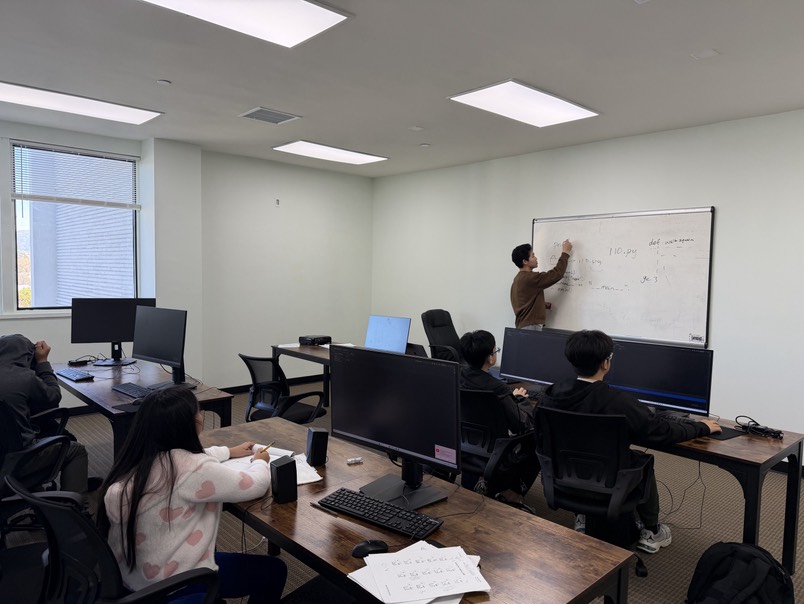 비영리 단체 NYCC, 우수 고교생 멘토와 함께하는 무료 STEM 및 기초 과목 멘토링
청소년 비영리 교육 단체 NYCC(National Youth Community Center)에서 LA 커뮤니티 내 학생들의 학습 역량 강화를 위한 전 과목 무료 주말 학습 프로그…
비영리 단체 NYCC, 우수 고교생 멘토와 함께하는 무료 STEM 및 기초 과목 멘토링
청소년 비영리 교육 단체 NYCC(National Youth Community Center)에서 LA 커뮤니티 내 학생들의 학습 역량 강화를 위한 전 과목 무료 주말 학습 프로그…
-
 발칙한 주차다.
점점 차량을 세우려는 공간들은 비좁고발칙한 모습으로 불법적으로 세우기만고집하려고 비집는 사람들의 딱한 모습?웃어야 할지~찡그러야 할지 모르겠구나분명히 말하건대, 이 주차&darr…
발칙한 주차다.
점점 차량을 세우려는 공간들은 비좁고발칙한 모습으로 불법적으로 세우기만고집하려고 비집는 사람들의 딱한 모습?웃어야 할지~찡그러야 할지 모르겠구나분명히 말하건대, 이 주차&darr…
-
 재혼과 의붓자녀 이민, ‘18세 이전’이 결정적입니다.
재혼 가정이 늘어나면서 의붓자녀(step-child)의 이민 문제에 대한 문의도 꾸준히 증가하고 있습니다. 그러나 안타깝게도…
재혼과 의붓자녀 이민, ‘18세 이전’이 결정적입니다.
재혼과 의붓자녀 이민, ‘18세 이전’이 결정적입니다.재혼 가정이 늘어나면서 의붓자녀(step-child)의 이민 문제에 대한 문의도 꾸준히 증가하고 있습니다. 그러나 안타깝게도…
-
 “우리는 인간체험을 하는 영적인 존재” (April. 29, 2026)
조정래 목사의 세상사는 이야기 …
“우리는 인간체험을 하는 영적인 존재” (April. 29, 2026)
조정래 목사의 세상사는 이야기 …

Ktown1번가 대표이메일 webinfo@koreatimes.com | 업소록 문의 yp@koreatimes.com
Powered by The Korea Times. Copyright ©The Korea Times All rights reserved.