


- [私の心の随筆] AIの時代に、なぜ崔岦なのか1232026.03.16
- [내 마음의 隨筆] <시대정신을 의심하라: Zeitgeist을 넘어서는 최립(崔岦)의 정관>1572026.03.17
- [An Essay from My Heart] Doubt the Zeitgeist: Choi Rip’s Jeonggwan Beyond the Spirit of the Age1162026.03.17
- [내 마음의 隨筆] <늦추위 속에서 피어나는 정관(靜觀)의 봄>1492026.03.18
- [私の心の随筆] <時代精神を疑え:崔岦の静観、時代を超えて>982026.03.17
[An Essay from My Heart] Doubt the Zeitgeist: Choi Rip’s Jeonggwan Beyond the Spirit of the Age
2026.03.17[An Essay from My Heart]
<Doubt the Zeitgeist: Choi Rip’s Jeonggwan Beyond the Spirit of the Age>
Today, we live in a dazzlingly fast-moving age. Artificial intelligence is expanding into domains of thinking, writing, and judgment, continuously redefining the place of human beings. Yet the faster our speed becomes, the more we are losing one essential capacity: the power to pause and truly observe.
Every age has an invisible atmosphere that defines it. We call this the Zeitgeist (Zeit = age, Geist = spirit) in German. It may be translated as “the spirit of the age.” In some eras, faith stands at the center; in others, reason; and today, technology. Yet the spirit of the age is always ultimately shaped by human choice and attitude.
In the mid-Joseon period, amid turbulence and transformation, Gan-i Choi Rip (1539–1612) also had to confront the spirit of his time. Despite invasions, political conflicts, and social instability, he did not merely react. He first observed—and within that act of observation, he found his path.
The core that runs through Choi Rip’s life was reflection before action—what we call Jeonggwan (quiet contemplation). He did not rush to judge things, but sought to see beyond appearances to their essence. His poetry and prose were not mere expressions, but the fruits of deep observation and thought.
Today, when we encounter problems, we immediately search and seek instant answers. Yet quick answers cannot replace deep understanding. Rather, they tend to shallow our thinking and make our judgments superficial.
Artificial intelligence can provide optimal answers based on vast amounts of data. However, the task of asking whether those answers are right or meaningful still belongs to humans. This is precisely where Jeonggwan becomes essential.
Jeonggwan is not simply stopping. It is the beginning of active thinking. It is the act of silencing noise, slowing down, and looking into the deeper layers of things. Through this process, we begin to discover connections and meanings that were previously unseen.
Choi Rip understood humanity by observing nature, and understood society by understanding humanity. In his poetry, mountains and water were not mere scenery, but reflections of the human mind. In nature, he discerned order and harmony.
Modern people gaze longer at screens than at nature. Yet while screens provide information, they do not provide insight. Insight emerges in stillness, through repeated observation, and through self-driven reflection.
The spirit of the age constantly pushes us forward—faster, more, and more efficiently. But blindly following this current is not wisdom. Sometimes, pausing to observe the flow leads to deeper choices.
Choi Rip did not stop at accumulating knowledge; he applied it to life. This is a practical, almost Silhak-like attitude that remains valid today. Knowledge is only complete when it leads to action.
In the age of artificial intelligence, humans must become not merely accumulators of knowledge, but interpreters of meaning. And the starting point of such interpretation is Jeonggwan. True understanding begins not in haste, but in careful observation.
We often say we have no time to think. In reality, we have become accustomed to environments where thinking is no longer required. Automated recommendations and instant responses are replacing our own reflection.
All the more reason why intentional Jeonggwan is necessary. Even a short period each day spent doing nothing but observing is not a waste, but the most productive investment.
Choi Rip practiced integrative thinking across scholarship, art, politics, and diplomacy. This was not simply talent, but the result of deep observation and reflection. He did not follow the age—he read it.
Today, we are busy trying to keep up with technology. Yet using technology without understanding it is dangerous. To use it properly, we must reflect on its essence and its consequences.
Jeonggwan leads us to ask questions: Why is this necessary? Who is it for? What consequences will it bring? These are questions only humans can ask.
Though the spirit of the age changes, human nature does not easily change. We still seek meaning, build relationships, and pursue a better life. Jeonggwan is the path that leads us back to this essence.
Choi Rip’s life tells us this: it is more important to see rightly than to move quickly; more important to understand deeply than to know much.
Ultimately, in the age of artificial intelligence, true competitiveness lies not in faster computation, but in deeper thinking. And the starting point of that thinking is Jeonggwan.
Today, take a moment to pause and observe. In that quiet instant, we may finally gain the wisdom that transcends the age. ***
March 17, 2026
At Sungsunjae (崇善齋)
{Solti}
한국어 번역: https://www.ktown1st.com/blog/VALover/348636
日本語 飜譯: https://www.ktown1st.com/blog/VALover/348638


-
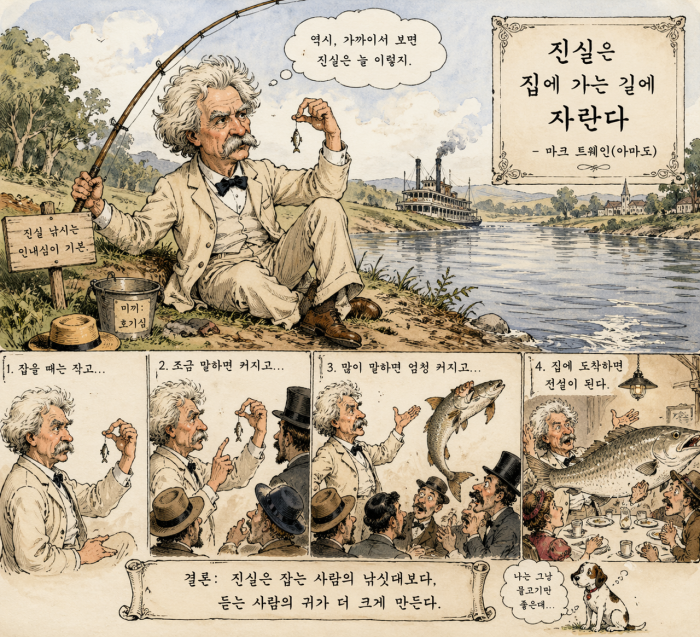 [내 마음의 短篇小說] 진실은 집에 가는 길에 자란다
어느 날 나는 진실을 낚으러 강가에 갔다.사람들이 말하길, 그것은 잘 잡히지 않지만 한 번 잡히면 매우 곤란한 존재라고 했다.나는 반쯤 믿고, 반쯤은 의심한 채 낚싯대를 드리웠다…
[내 마음의 短篇小說] 진실은 집에 가는 길에 자란다
어느 날 나는 진실을 낚으러 강가에 갔다.사람들이 말하길, 그것은 잘 잡히지 않지만 한 번 잡히면 매우 곤란한 존재라고 했다.나는 반쯤 믿고, 반쯤은 의심한 채 낚싯대를 드리웠다…
-
 H1B 취업비자, 제대로 알아야 미국 취업이 열린다
H1B 전문직 취업비자 FAQ (자주 묻는 질문)미국 내에서 커리어를 쌓고자 하는 전문가들에게 H1B 비자는 가장 대중적이면서도 강력한 무기입니다. 하지만 매년 치열해지는 추첨 …
H1B 취업비자, 제대로 알아야 미국 취업이 열린다
H1B 전문직 취업비자 FAQ (자주 묻는 질문)미국 내에서 커리어를 쌓고자 하는 전문가들에게 H1B 비자는 가장 대중적이면서도 강력한 무기입니다. 하지만 매년 치열해지는 추첨 …
-
 은평구출장홈타이™20대™라인:LUP25™은평구유흥업소™은평구룸싸룽™은평구여대생출장안마™은평구출장만남후기™
은평구출장홈타이™20대™라인:LUP25™은평구유흥업소™은평구룸싸룽™은평구여대생출장안마™은평구출장만남후기&trade…
은평구출장홈타이™20대™라인:LUP25™은평구유흥업소™은평구룸싸룽™은평구여대생출장안마™은평구출장만남후기™
은평구출장홈타이™20대™라인:LUP25™은평구유흥업소™은평구룸싸룽™은평구여대생출장안마™은평구출장만남후기&trade…
-
 오바마, 캐나다에 정치적 망명 신청
에 의해 마이클 백스터-2026년 5월 15일97146393지난주 캐나다에 머물던 버락 후세인 오바마 전 대통령(일명 배리 소에테로)은 트럼프 …
오바마, 캐나다에 정치적 망명 신청
오바마, 캐나다에 정치적 망명 신청에 의해 마이클 백스터-2026년 5월 15일97146393지난주 캐나다에 머물던 버락 후세인 오바마 전 대통령(일명 배리 소에테로)은 트럼프 …
-
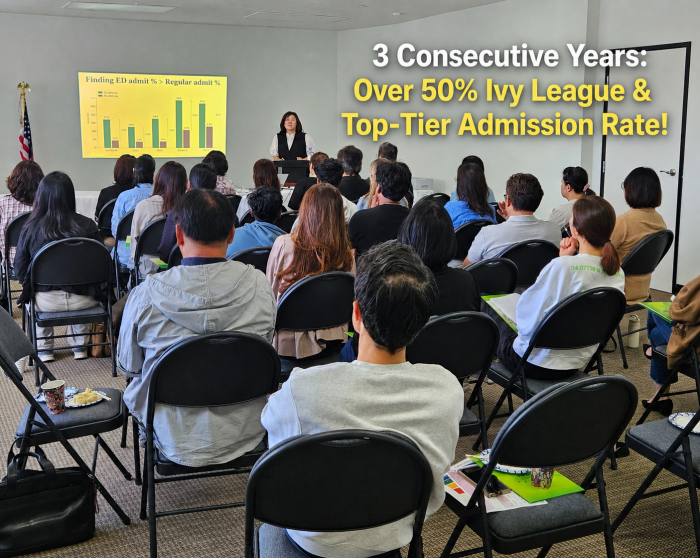 보스턴 에듀케이션 3년 연속 아이비반 절반 이상 명문대 진학! 합격을 가른 결정적 차이
최근 LA 한인 교육계에서 보스턴 에듀케이션의 압도적인 명문대 입시 성과가 큰 화제가 되고 있습니다. 수많은 학부모님들께서 가장 놀라워하시는 부분은 단연 합격률입니다.역대급으로 …
보스턴 에듀케이션 3년 연속 아이비반 절반 이상 명문대 진학! 합격을 가른 결정적 차이
최근 LA 한인 교육계에서 보스턴 에듀케이션의 압도적인 명문대 입시 성과가 큰 화제가 되고 있습니다. 수많은 학부모님들께서 가장 놀라워하시는 부분은 단연 합격률입니다.역대급으로 …
-
 이 땅에서 죽을병 안 걸리고 사고사 안 당하고 장수하는 방법 소개.
---건강하게 이 땅에서 오래 살려면 부모를 공경하고 예수 하나님 말씀을 사랑하며 경외하며 실천 하시면 장수하게…
이 땅에서 죽을병 안 걸리고 사고사 안 당하고 장수하는 방법 소개.
이 땅에서 죽을병 안 걸리고 사고사 안 당하고 장수하는 방법 소개.---건강하게 이 땅에서 오래 살려면 부모를 공경하고 예수 하나님 말씀을 사랑하며 경외하며 실천 하시면 장수하게…
-
 영광셔츠룸 만남★라인:LUP25★영광출장안마★영광오일맛사지★영광노래방★영광유흥업소★영광썸오★
영광셔츠룸 만남★라인:LUP25★영광출장안마★영광오일맛사지★영광노래방★영광유흥업소★영광…
영광셔츠룸 만남★라인:LUP25★영광출장안마★영광오일맛사지★영광노래방★영광유흥업소★영광썸오★
영광셔츠룸 만남★라인:LUP25★영광출장안마★영광오일맛사지★영광노래방★영광유흥업소★영광썸오★영광셔츠룸 만남★라인:LUP25★영광출장안마★영광오일맛사지★영광노래방★영광유흥업소★영광…
-
 4월15일 세금보고 D-7, IRA 막차 놓치셨나요? 지금부터 절세를 준비하면 됩니다.
안녕하세요. 한솔보험입니다.4월 15일 세금 보고 마감일이 딱 일주일 앞으로 다가왔습니다. 요즘 세금을 토해내게 생겼다며 급하게 상담을 요청하시는 분들이 부쩍 늘었는데요. 오늘은…
4월15일 세금보고 D-7, IRA 막차 놓치셨나요? 지금부터 절세를 준비하면 됩니다.
안녕하세요. 한솔보험입니다.4월 15일 세금 보고 마감일이 딱 일주일 앞으로 다가왔습니다. 요즘 세금을 토해내게 생겼다며 급하게 상담을 요청하시는 분들이 부쩍 늘었는데요. 오늘은…
-
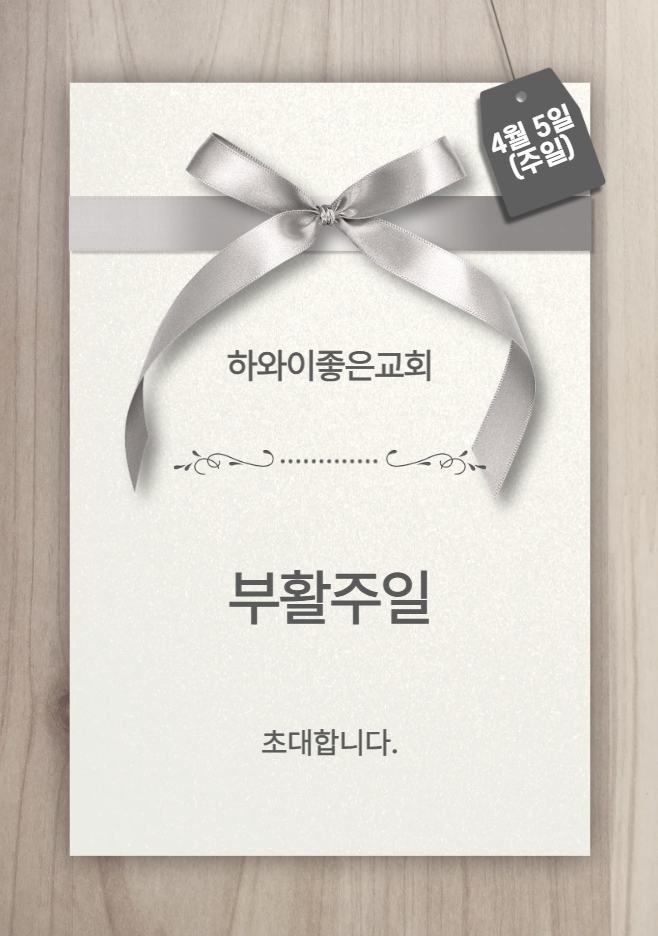 하와이에서 주일예배 드리기
https://youtu.be/aX77nWP6uoE?si=HwQ433XZO9myT_Ot
하와이에서 주일예배 드리기
https://youtu.be/aX77nWP6uoE?si=HwQ433XZO9myT_Ot
-
 잘 가요~! 그 가족들!
이미 그 가족들은 대략 3주 전에 모두 제 2의 생업 장소로 이동하여 생활하고얼마 남지 않은 잔여 시간을 위해 나온그 가족의 엄마는 잠간씩 일터에 나와있기는 하지만 입주자들의 모…
잘 가요~! 그 가족들!
이미 그 가족들은 대략 3주 전에 모두 제 2의 생업 장소로 이동하여 생활하고얼마 남지 않은 잔여 시간을 위해 나온그 가족의 엄마는 잠간씩 일터에 나와있기는 하지만 입주자들의 모…

Ktown1번가 대표이메일 webinfo@koreatimes.com | 업소록 문의 yp@koreatimes.com
Powered by The Korea Times. Copyright ©The Korea Times All rights reserved.