


- [私の心の随筆] <春霧の中で学ぶ道>1042026.02.27
- [내 마음의 隨筆] <정관(靜觀)의 마음가짐으로 혼란(混亂)한 세상(世上)을 건너며>1712026.03.03
- [An Essay from My Heart] Crossing a Chaotic World with the Mindset of Jeonggwan (Calm Contemplati1442026.03.03
- [내 마음의 隨筆] <간이(簡易) 최립(崔岦)에게서 배우는 열 가지 교훈(敎訓)>1692026.03.04
- [私の心の随筆] 〈静観(せいかん)の心構えで混乱した世界を渡る〉1012026.03.03
[An Essay from My Heart] Crossing a Chaotic World with the Mindset of Jeonggwan (Calm Contemplati
2026.03.03[An Essay from My Heart]
<Crossing a Chaotic World with the Mindset of Jeonggwan (Calm Contemplation)>
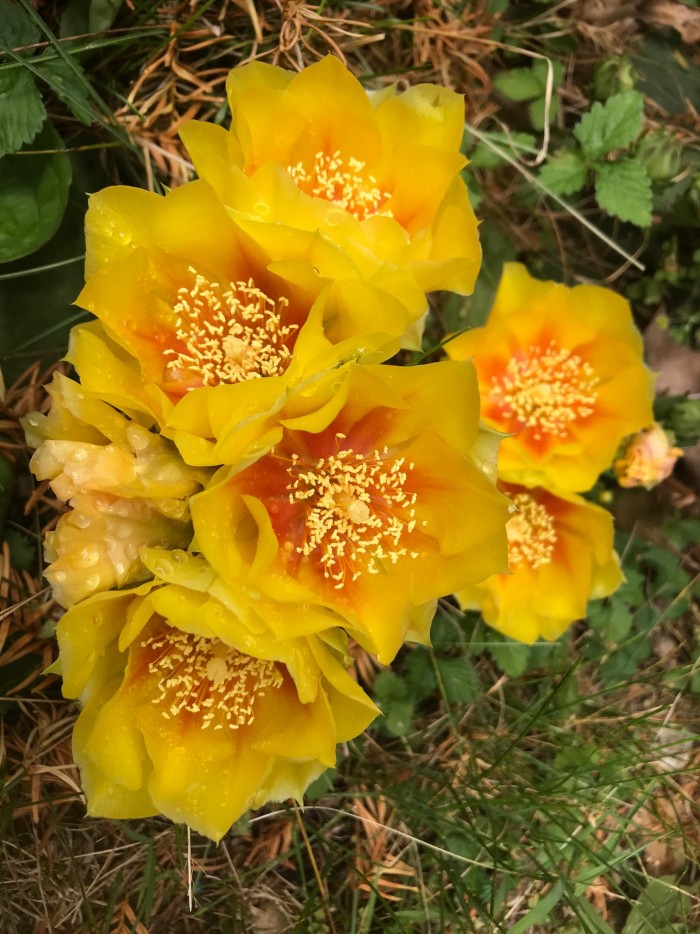
From early morning, snow once again scattered through the air, carried by a northwesterly wind. Though we believed that spring had already reached the threshold, nature silently unfolded winter’s curtain once more. The crocuses that had just lifted their faces were bowing briefly beneath the cold snowflakes. Yet their roots remained firmly embedded deep in the earth. Outwardly they shrank, but inwardly they did not waver.
As I gaze upon this scene, I am reminded of Jeonggwan (靜觀), a concept spoken of by Gani Choi Rip (1539–1612), a diplomat of the Joseon Dynasty and a reflective scholar. Jeonggwan is not merely a quiet way of looking. It is an active stillness that does not lose its center amid raging waves, that is not swept away by emotion, and that reads deeply into the principles of things. Even amid the tensions of diplomacy, he would first pause to discern the situation, observing the flow rather than rushing ahead.
Today, our world changes as swiftly as a snowstorm. Information pours out like a flood; conflicts expand and reproduce; people are pressed to respond instantly. Anger and anxiety spread like air. In such an age, rather than closing our eyes or blocking our ears, we need the attitude of Jeonggwan—deep contemplation. Instead of reacting immediately within the noise, we need the strength to step back and ask about the essence of things.
The crocus in the snow does not grow impatient. Because it cannot bloom at this very moment, it does not doubt its own time. It simply waits for the right season. The confusion of today may also be but one phase of a larger cycle. Change does not come in a straight line; it passes through curves that appear like retreat before reaching completion. Snow does not hinder spring; rather, it helps prepare spring to be stronger and more resilient.
Jeonggwan teaches us three things.
First, the courage to pause. In an age where instant judgment and reaction are praised as virtues, stopping to reflect is in fact a greater act of bravery.
Second, the establishment of an inner center. The louder the external noise becomes, the more clearly we hear the voice within.
Third, an attitude of trusting time. Accepting that not everything is resolved in a single moment—that acceptance itself is maturity.
As a child, I remember snow falling in the middle of the night. By morning, the world would be transformed into an entirely different landscape. Yet that change occurred without sound. So, it is with our lives today. Great transformations may not begin with loud slogans but with quiet changes within the heart. One calm choice, one careful judgment, can form a new order.
To overcome a chaotic era does not mean eliminating every storm. It means not losing direction within it. Like the crocus in the snow, we may lower ourselves for a moment, yet never abandon our roots. Outwardly flexible, inwardly steadfast in conviction—that is the practice of Jeonggwan.
Snow eventually melts. Yet what remains is the state of heart we held while it was falling. Whether we were swept away by anxiety or quietly contemplative will shape our next season.
Beneath the white snow, the crocus already knows spring. I too wish to carry the eyes of Jeonggwan within this chaotic world—neither impatient nor shaken, but moving forward step by step, contemplating deeply.
No matter how long winter endures, spring is already being prepared beneath it. And only those who quietly contemplate will be the first to recognize its earliest stirring. ***
March 3, 2026
At Sungsunjae (崇善齋)
{Solti}


-
 가정을 위한 기도
할렐루야!사랑과 은혜가 풍성하신 하나님 아버지,가정의 달을 맞이하여 우리의 가정들을 주님 앞에 올려드립니다.이 땅의 모든 가정이 하나님께서 세우신 거룩한 뜻 안에서사랑과 진리로 …
가정을 위한 기도
할렐루야!사랑과 은혜가 풍성하신 하나님 아버지,가정의 달을 맞이하여 우리의 가정들을 주님 앞에 올려드립니다.이 땅의 모든 가정이 하나님께서 세우신 거룩한 뜻 안에서사랑과 진리로 …
-
 주거 환경◑◐미화 작업
며칠 전부터 주변에서 적지 않은 소음이 들리 길래 대수롭지 않게여기면서 지나 칠까도 했었는데그냥 지나치기에는 둔탁한 소음이라서 좀더 관심 갖고 지켜보니주거 환경◑◐미화 작업 중이…
주거 환경◑◐미화 작업
며칠 전부터 주변에서 적지 않은 소음이 들리 길래 대수롭지 않게여기면서 지나 칠까도 했었는데그냥 지나치기에는 둔탁한 소음이라서 좀더 관심 갖고 지켜보니주거 환경◑◐미화 작업 중이…
-
 곡성출장홈타이™20대™라인:LUP25™곡성유흥업소™곡성룸싸룽™곡성여대생출장안마™곡성출장만남후기™
곡성출장…
곡성출장홈타이™20대™라인:LUP25™곡성유흥업소™곡성룸싸룽™곡성여대생출장안마™곡성출장만남후기™
곡성출장홈타이™20대™라인:LUP25™곡성유흥업소™곡성룸싸룽™곡성여대생출장안마™곡성출장만남후기™곡성출장…
-
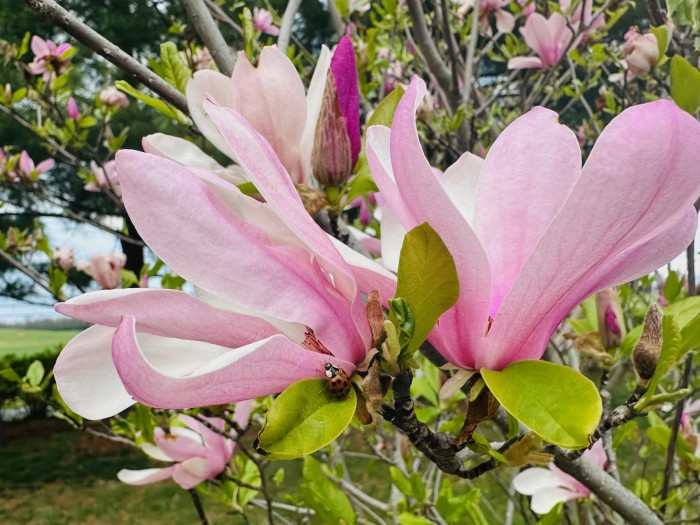 [私の心の随筆] <復活の木蓮>
[私の心の随筆]<復活の木蓮>早春のある日、厳しい雪と冷たい気配が過ぎ去った後、裏庭の木蓮はまるで傷を負った存在のように、静かに佇んでいた。かつては高貴で優雅な紫色の花びらが空へ向かって咲き誇ってい…
[私の心の随筆] <復活の木蓮>
[私の心の随筆]<復活の木蓮>早春のある日、厳しい雪と冷たい気配が過ぎ去った後、裏庭の木蓮はまるで傷を負った存在のように、静かに佇んでいた。かつては高貴で優雅な紫色の花びらが空へ向かって咲き誇ってい…
-
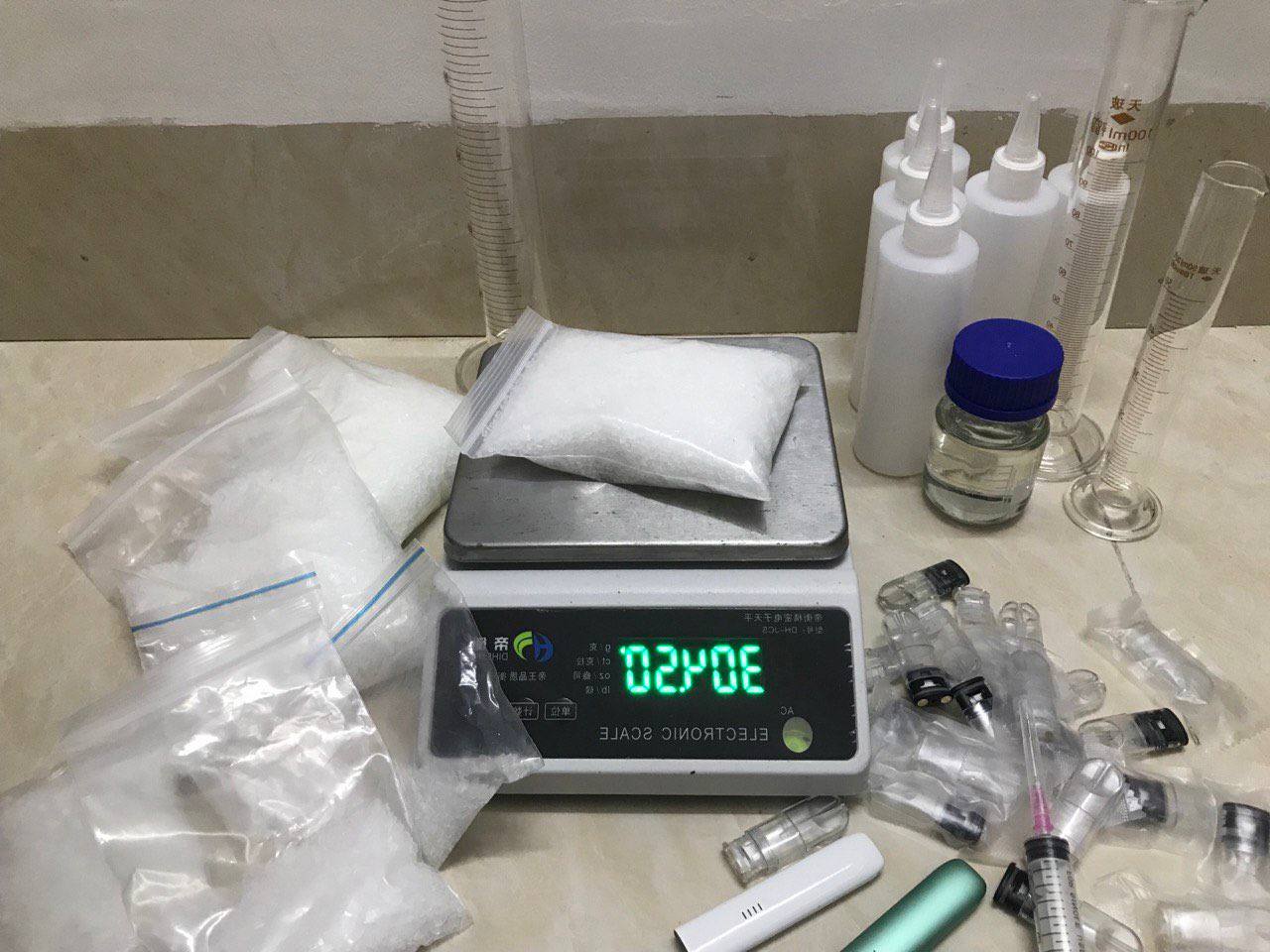 Buy Kpods Vape, buy Etomidate Pods ,order Etomidate,space oil ,CAS: 33125-97-2,order tiletamine , bu
Buy Kpods Vape, buy Etomidate Pods ,order Etomidate,space oil ,CAS: 33125-97-2,order tiletamine , b…
Buy Kpods Vape, buy Etomidate Pods ,order Etomidate,space oil ,CAS: 33125-97-2,order tiletamine , bu
Buy Kpods Vape, buy Etomidate Pods ,order Etomidate,space oil ,CAS: 33125-97-2,order tiletamine , b…
-
시민권 및 이민 서류 무료 상담 안내
음과 같습니다.• 시민권 신청 (N-400)• 시민권 증서 신청 (N-600)• 영주권 갱신 (I-90)• 가족 초청 이민 청원제공 서비스&b…
-
 곡성≤전국구 출장안마≥라인:LUP25√곡성출장콜걸√곡성출장마사지√곡성모텔출장알바√곡성24시예약상담√
 곡성≤전…
곡성≤전국구 출장안마≥라인:LUP25√곡성출장콜걸√곡성출장마사지√곡성모텔출장알바√곡성24시예약상담√
곡성≤전국구 출장안마≥라인:LUP25√곡성출장콜걸√곡성출장마사지√곡성모텔출장알바√곡성24시예약상담√ 곡성≤전…
-
 영광셔츠룸 만남★라인:LUP25★영광출장안마★영광오일맛사지★영광노래방★영광유흥업소★영광썸오★
영광셔츠룸 만남★라인:LUP25★영광출장안마★영광오일맛사지★영광노래방★영광유흥업소★영광…
영광셔츠룸 만남★라인:LUP25★영광출장안마★영광오일맛사지★영광노래방★영광유흥업소★영광썸오★
영광셔츠룸 만남★라인:LUP25★영광출장안마★영광오일맛사지★영광노래방★영광유흥업소★영광썸오★영광셔츠룸 만남★라인:LUP25★영광출장안마★영광오일맛사지★영광노래방★영광유흥업소★영광…
-
 이 야심한 밤에?
보통 시니어 아파트는 오후 5시만 되면일찍 저녁을 들고서 짧은 여유시간들을보내고 나면 누구라고 할 것 없이 잠잘준비에 들곤 해서 복도에는 어느덧 정적만이 고요하게 들 뿐이고 가끔…
이 야심한 밤에?
보통 시니어 아파트는 오후 5시만 되면일찍 저녁을 들고서 짧은 여유시간들을보내고 나면 누구라고 할 것 없이 잠잘준비에 들곤 해서 복도에는 어느덧 정적만이 고요하게 들 뿐이고 가끔…
-
 영광셔츠룸 만남★라인:LUP25★영광출장안마★영광오일맛사지★영광노래방★영광유흥업소★영광썸오★
영광셔츠룸 만남★라인:LUP25★영광출장안마★영광오일맛사지★영광노래방★영광유흥업소★영광…
영광셔츠룸 만남★라인:LUP25★영광출장안마★영광오일맛사지★영광노래방★영광유흥업소★영광썸오★
영광셔츠룸 만남★라인:LUP25★영광출장안마★영광오일맛사지★영광노래방★영광유흥업소★영광썸오★영광셔츠룸 만남★라인:LUP25★영광출장안마★영광오일맛사지★영광노래방★영광유흥업소★영광…

Ktown1번가 대표이메일 webinfo@koreatimes.com | 업소록 문의 yp@koreatimes.com
Powered by The Korea Times. Copyright ©The Korea Times All rights reserved.